Completed over 300,000 Linear Feetof Basement Waterproofing
Lifetime Transferrable Warranty
Say Goodbye To Wet Basements For Good
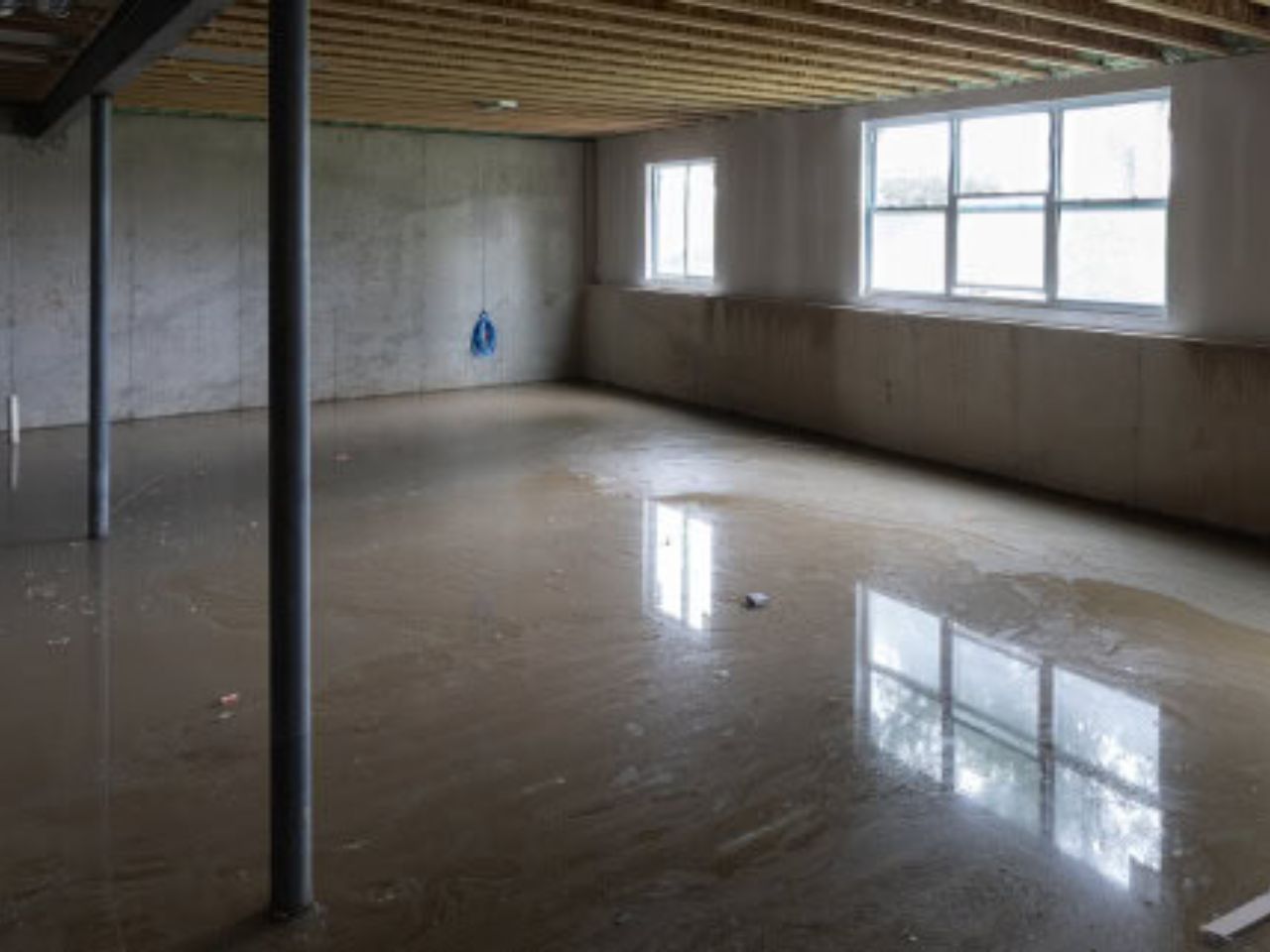
Basement waterproofing is one of the most important steps to protect your home from a leaking basement. If you've ever walked into your basement and smelled a damp, musty odour, or have seen water seepage creeping up the foundation walls, you know the feeling that comes with it. A wet basement isn't just an inconvenience, it's a warning sign that one of your biggest investments may already have a leaking basement.
That's where Dryshield Waterproofing Toronto comes in. For decades, we've been the trusted name for homeowners throughout Ontario, delivering proven solutions that keep basements dry, safe, and protected year-round.
Whether it's foundation crack repair, interior drainage systems, sump pump installation, or full exterior basement waterproofing, our team is dedicated to protecting your home for the long term.
Exterior & Interior Basement Waterproofing
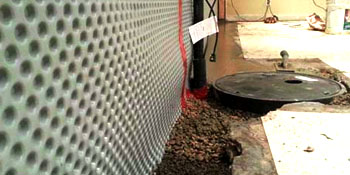
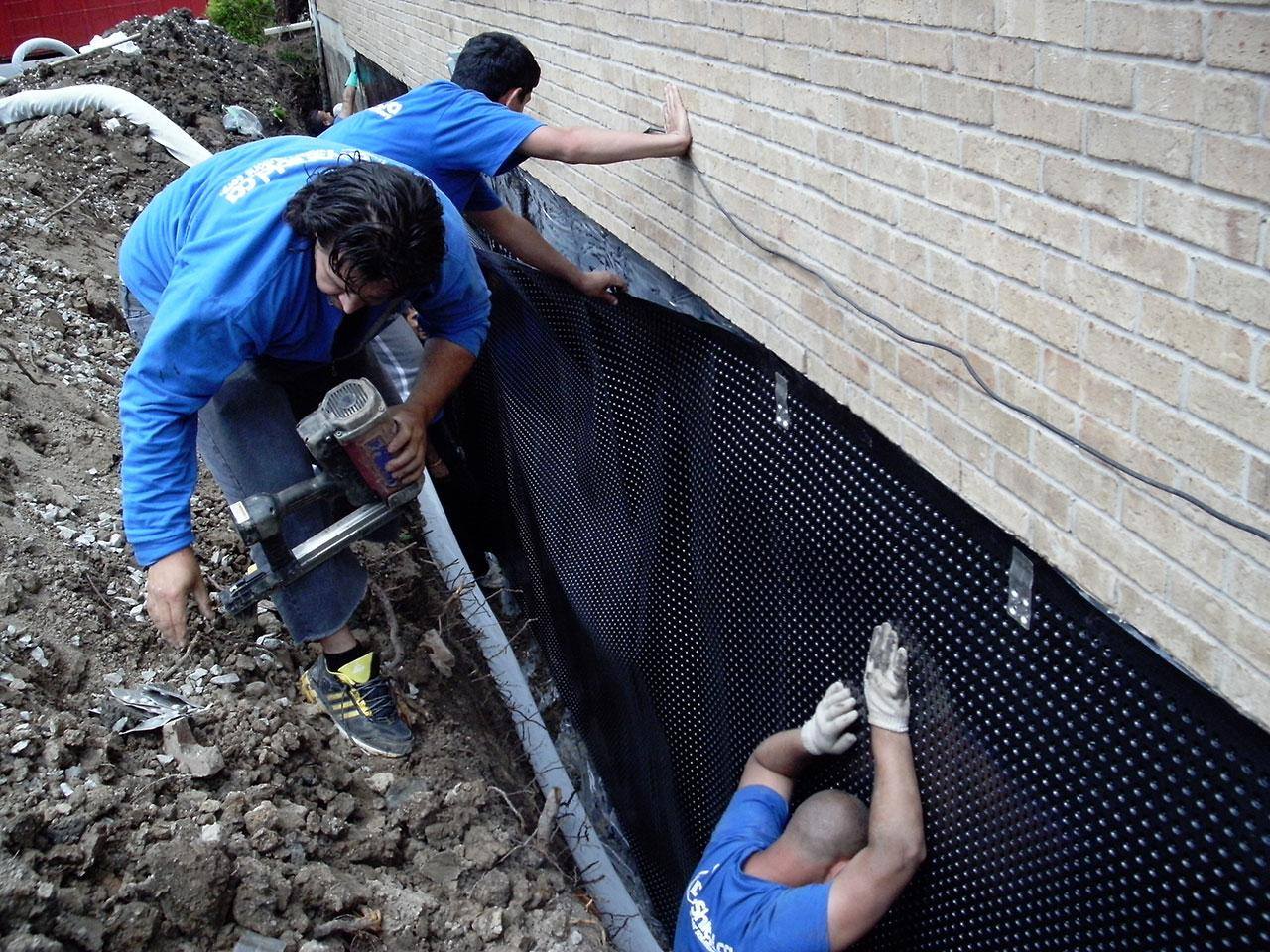
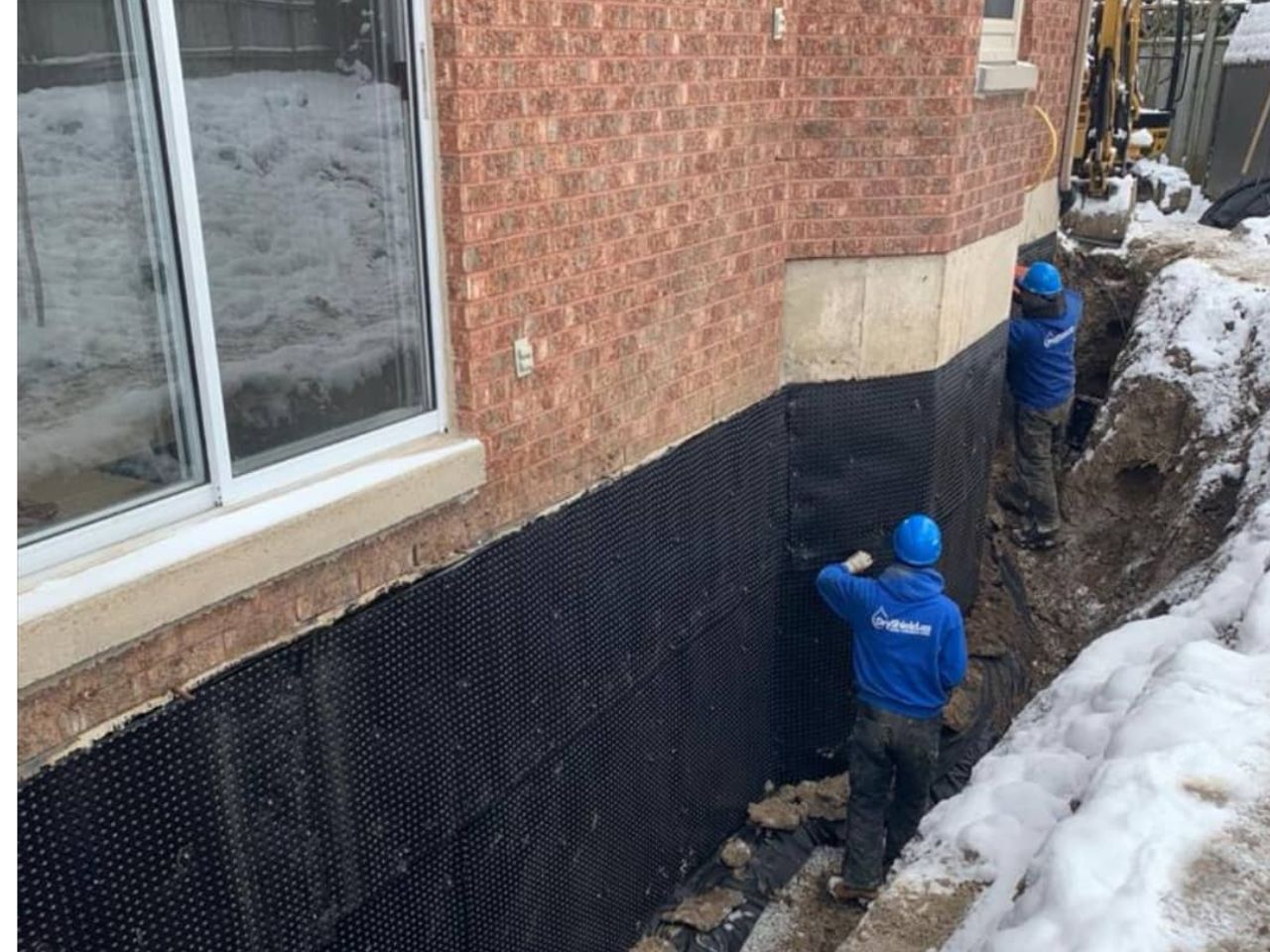
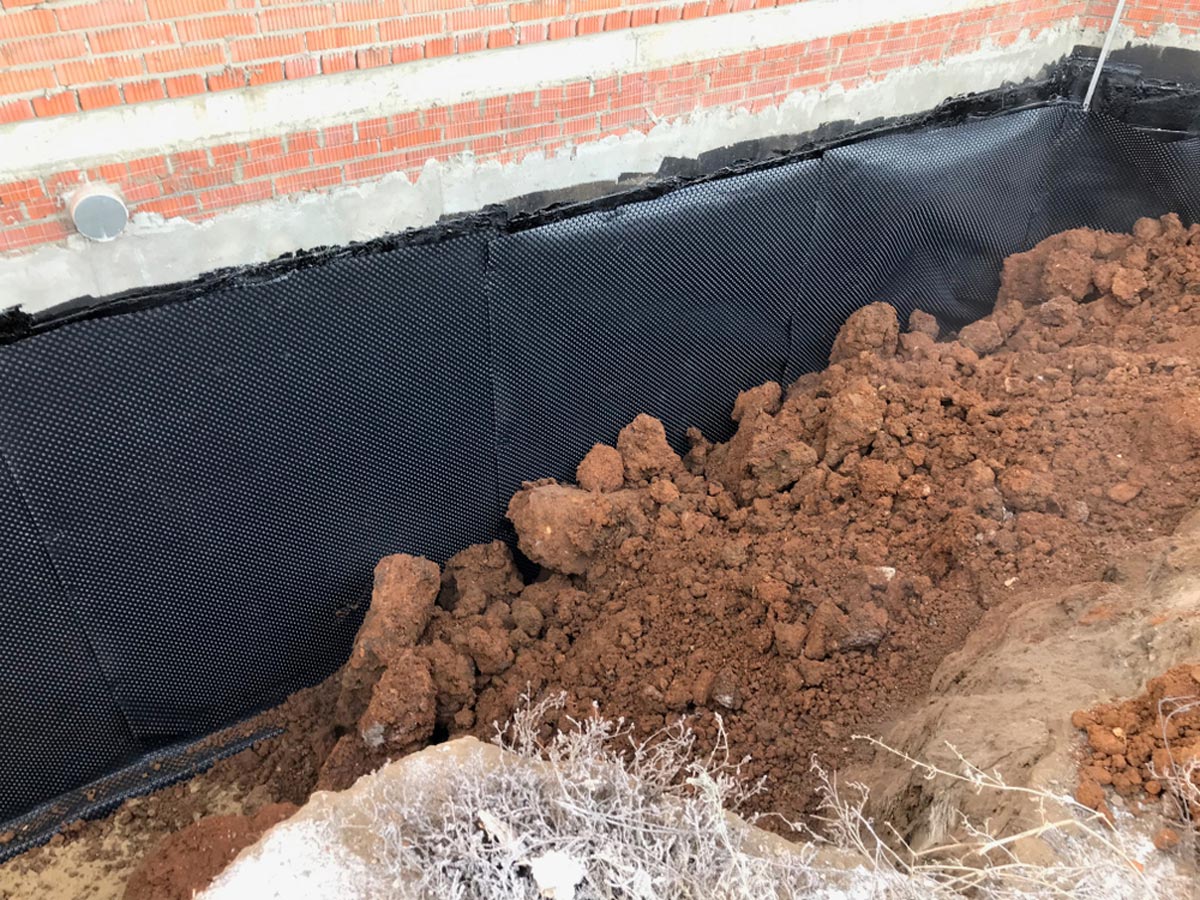
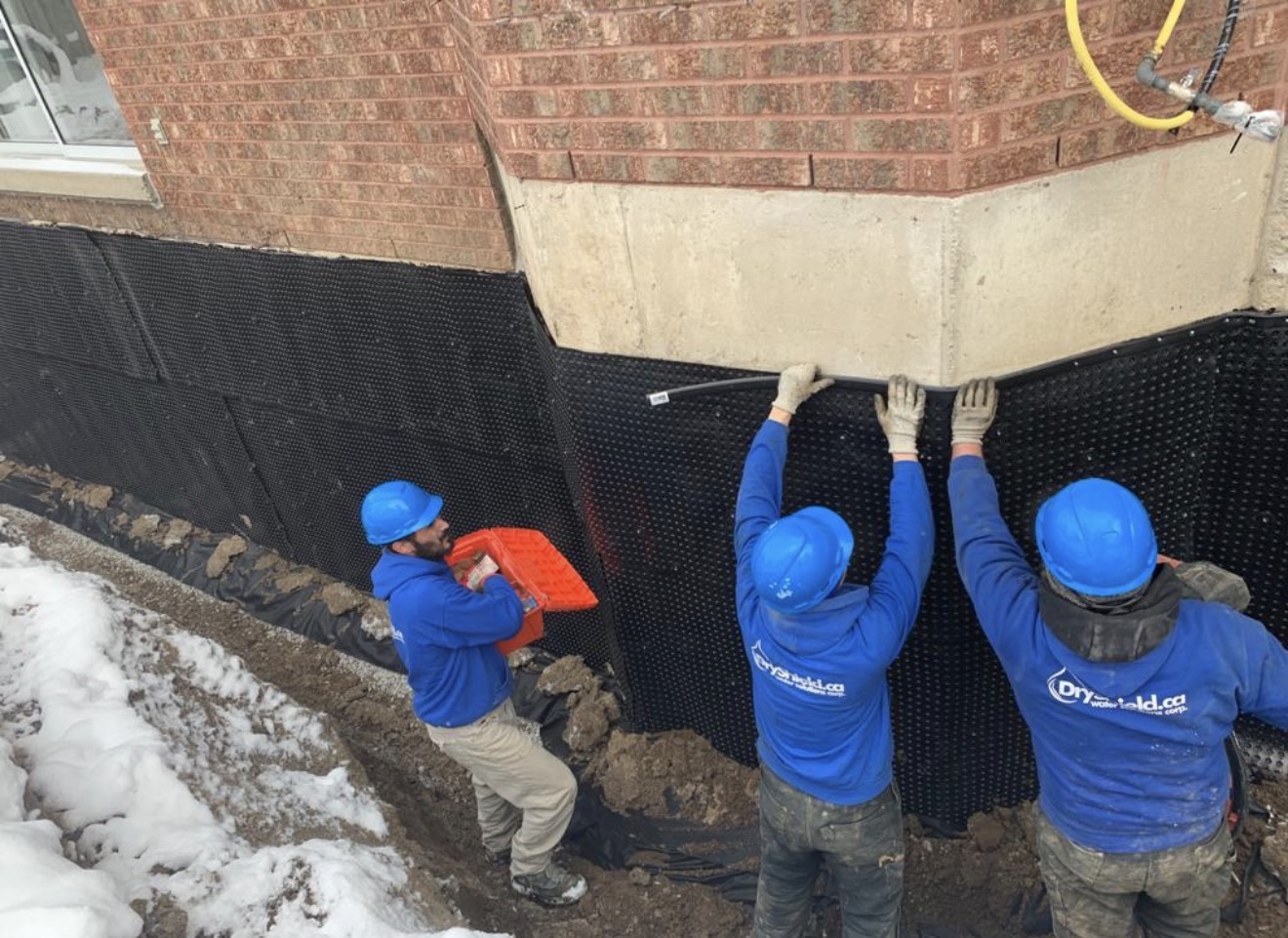
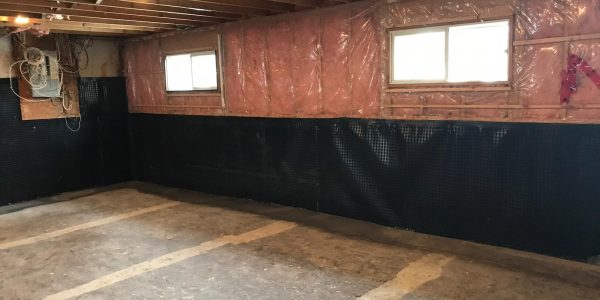
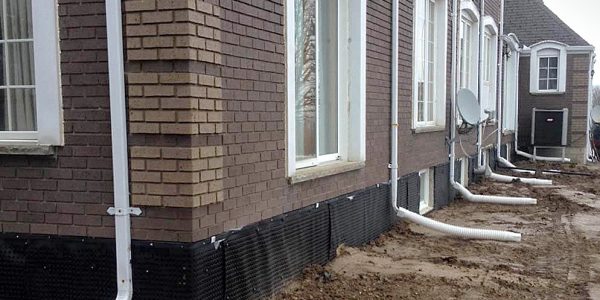
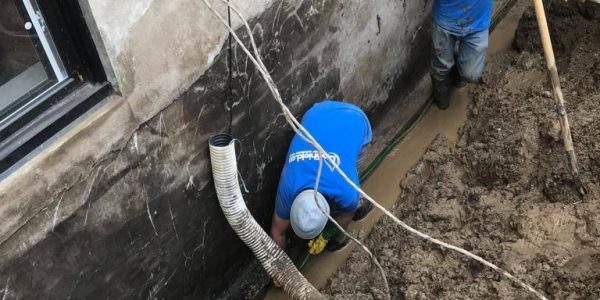
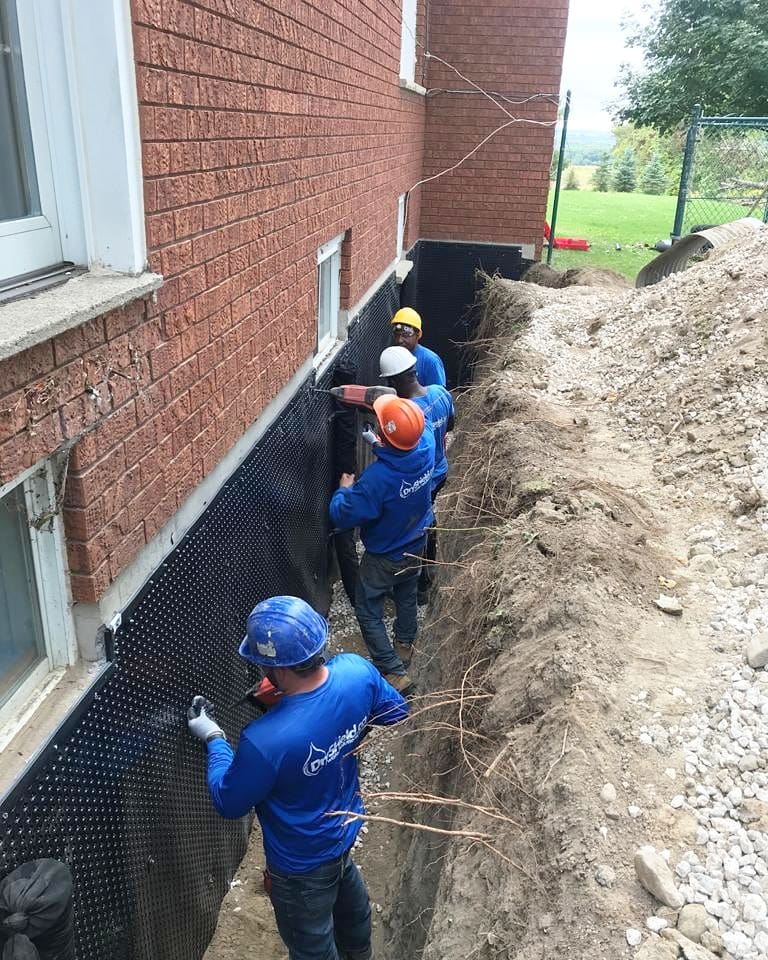
Dryshield Water Solutions Corp. https://www.dryshield.ca specializes in installing exterior waterproofing drainage systems designed to completely address foundation seepage issues. ---------------------- Hi, and welcome to Dryshield Basement Waterproofing' video on external waterproofing, and internal drainage systems. I'm going to walk you through how drainage systems function on existing foundations. The ground is excavated for installation of the foundation. Footings are poured, and foundation walls are installed. The floor is then installed on top of the footings. Originally, weeping tiles are installed at the bottom side of the footings. Typically, a damp-proof spray is applied, not a waterproof membrane, Excavated soil is then backfilled, however it is not as dense as the soil that was not excavated. When it rains or snow melts, water will find the excavated angle and travel back towards the bottom of the foundation. This is why weeping tiles are installed at the bottom side of the footings. Once the weepers clog, the water will begin to build on the outside of the foundation, causing hydrostatic pressure. Once the pressure builds, water will enter at the floor-wall joint, either from underneath or overtop of the footing. Over the past few decades , our research has allowed us to incorporate the highest level of waterproofing technologies and procedures to date. Let us show you how the external procedure is installed. The soil around the foundation is excavated. The weeping tiles are removed and the walls are cleaned. Small holes are drilled into the bottom blocks to remove any moisture in the wall. The walls and footings are coated by hand with the highest quality rubberized urethane. Polysheeting is applied, on top of the urethane, and dimple board is installed with steel brackets and a finishing strip. New weeping tiles, with a geotextile filter cloth and installed and connected to proper drainage. Three-quarter inch clear gravel is installed on top of the weepers to a minimum of one-foot depth. A geomembrane filter cloth is installed on top of the gravel. This will prevent the soil from clogging the system. Soil is then backfilled, and graded away from the foundation. With this installation, Dryshield provides a full, 25-year transferrable warranty on all external waterproofing. Depending on the situation, a more cost-effective approach can be done form the inside. The latest technologies allow for proper, internal drainage systems. The key to water seepage is drainage - regardless if done from inside or out. Our internal process involves exposing the foundation to the concrete, and in some cases, the removal of drywall studs, insulation and flooring. The conrete is then broken, from 12-14 inches from the foundation wall. A trench is dug to expose the inside of the bottom footing. Weeping tiles are then installed, and graded towards the sump-pump. Three-quarter inch, clear gravel is intalled over the weepers. A waterproof membrance is then installed over the weeping tile, extending to the top of the foundation wall. New concrete is poured over the system, flushed with the existing slab. Our team at Dryshield would like ot thank you for taking the time to watch our video. For more information, please continue reading our website (http://www.waterproofingservice.com), or call use today at 1800-277-5411.
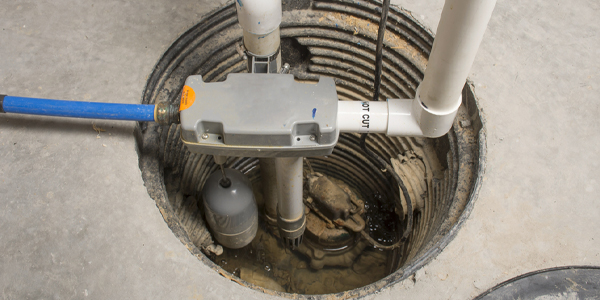
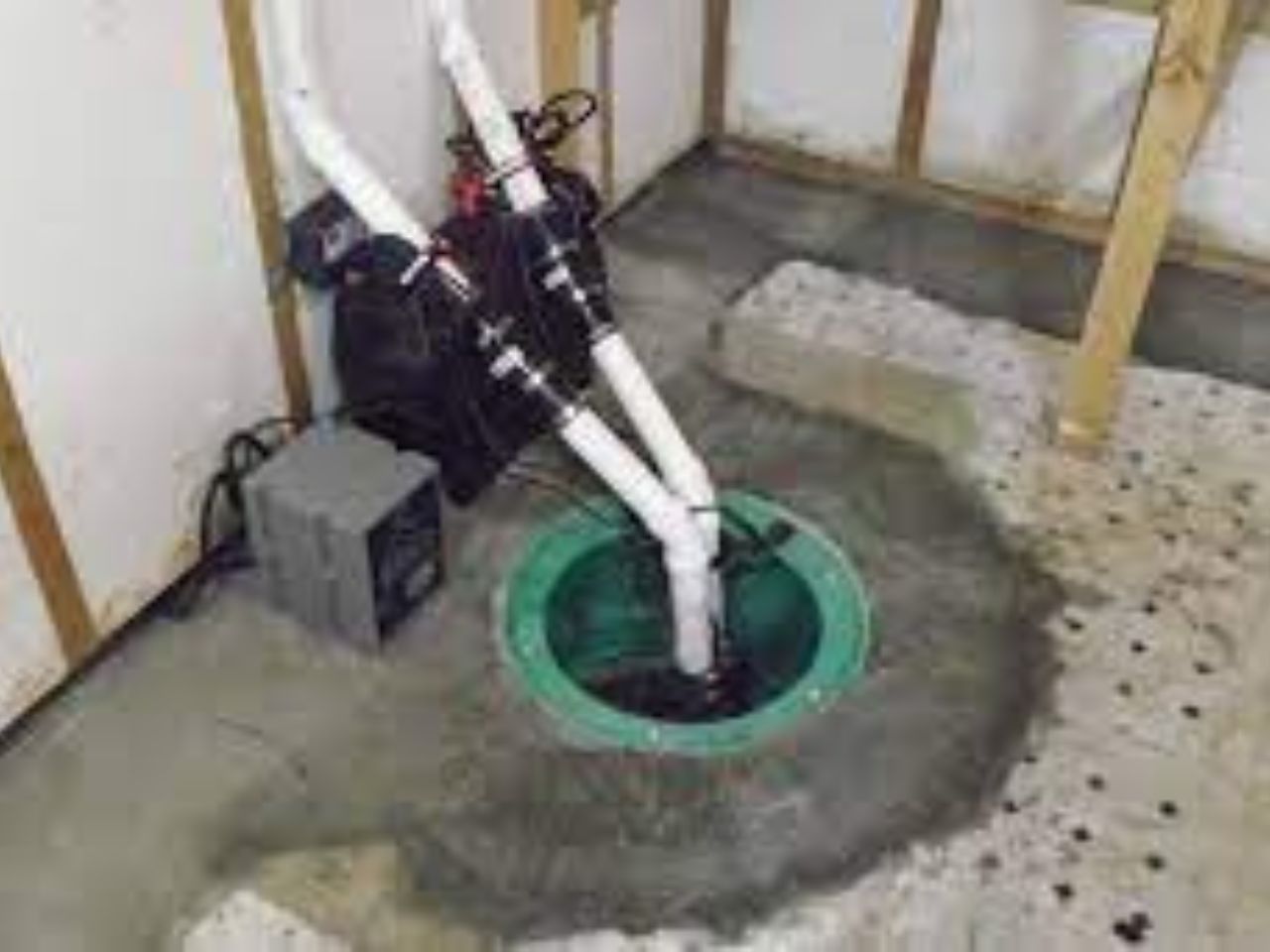
Sump Pump Basin and Sump Pump Installation: The purpose of a sump pump is to help drain water away from a foundation. The sump pump basin allows the water to collect, then the sump pump discharges the water out either
Let a wet basement trouble you no more! Living in a damp or wet basement is a serious health hazard and poses a grave danger to your home’s structural integrity. Moisture infusing through the walls and floors is a common problem
Water-related damage? French drain installations by DryShield are the best. Don’t allow problems with water to damage your land. The installation of French drains is handled with unmatched skill and dependability by DryShield Water Solutions. Using years of expertise and cutting-edge methods, our qualified experts create and install a unique French drain system that efficiently redirects water and protects your investment.
Do you have uneven concrete slabs? Is it a trip hazard? Perhaps you are afraid it is going to get worse and need replacement? Uneven or sunken concrete can cause you, or visitors to your house, to trip and fall. Not to mention how irritating it can be to have to constantly watch your step or stumble. These hazards can lead to minor, and sometimes, major injury. Concrete is a great versatile material.
Quick Answer: Homes in Shelburne, Dundalk, and Orangeville sit in the Ontario snowbelt, where heavy snow loads, dense Elma till soil, and rapid subdivision settling combine to crack foundations and overwhelm weeping tile each spring. Polyurethane crack injection ($600–$1,000 per crack) seals active leaks, epoxy injection welds structural cracks back together, and full exterior waterproofing handles severe cases. Get an instant estimate with the DryShield Cost Calculator.
Key takeaways
Snowbelt geography: Shelburne, Dundalk, and Orangeville receive 30–50% more snowfall than the GTA, magnifying spring basement leak risk.
Elma till soil traps melting snow against your foundation, creating extreme hydrostatic pressure on basement walls.
New subdivisions in Dundalk and Shelburne crack first because of rapid backfill settling in the years after construction.
Most cracks can be sealed permanently from inside the basement for $600–$1,000 per crack with polyurethane or epoxy injection.
Severe cases require exterior waterproofing — excavation, dimple board, new weeping tile, and a battery-backed sump pump.
Living in the Dufferin Highlands and Grey County comes with undeniable perks, but it also means dealing with the reality of the Ontario “snowbelt.” For homeowners in Shelburne, Dundalk, and Orangeville, extreme winter weather and unique local geology put massive, relentless stress on residential foundations.
Spring thaw flooding overwhelms foundations across the Dufferin–Grey snowbelt corridor each March and April.
Whether you are living in a century-old farmhouse or a brand-new subdivision build, the combination of heavy snow loads and dense regional soil creates a perfect storm for hydrostatic pressure. Here is exactly why basements in this corridor leak each spring, and how the experts at DryShield permanently fix them.
Why are basements in the Dufferin–Grey corridor leaking more than ever?
The combination of higher elevation, heavier snowfall, and dense glacial soil makes the Shelburne–Dundalk–Orangeville corridor one of the toughest waterproofing environments in southern Ontario. As subdivisions expand and older homes age past their original waterproofing membranes, foundation cracks that would seep slowly in the GTA can flood basements here within hours of the spring thaw.
What are the 3 main causes of foundation leaks in Shelburne, Dundalk, and Orangeville?
Generic waterproofing advice rarely applies to the extreme conditions of the Dufferin and Grey County corridor. Foundation failures here typically come down to three hyper-local factors:
1. The spring snowmelt surcharge
Because this region sits at a higher elevation, it receives significantly more snowfall than the GTA. When the spring thaw arrives, the ground is suddenly inundated with thousands of gallons of melting snow. This rapid influx overloads older, clogged weeping tile systems—especially in central Orangeville—forcing water to find the path of least resistance right through your basement walls.
Average annual snowfall: GTA vs Dufferin–Grey snowbelt corridor
Community
Approx. annual snowfall
Spring melt risk
Toronto (Pearson)
~115 cm
Moderate
Orangeville
~205 cm
High
Shelburne
~245 cm
Very High
Dundalk
~270 cm
Extreme
Snowfall figures are approximate annual averages drawn from regional climate data; actual seasonal totals vary year to year.
2. The “Elma till” soil trap
While the topsoil in the area might seem normal, the glacial earth beneath the surface—often consisting of dense, silty-sand “till” (such as Elma Till)—is highly problematic. This dense subsoil acts like a hard clay bowl. It prevents the rapid snowmelt from draining deeply into the earth, trapping pooling water directly against your foundation and creating immense hydrostatic pressure.
3. Rapid subdivision settling in Dundalk and Shelburne
Dundalk and Shelburne have experienced a massive boom in new home construction. When developers dig a foundation, the soil they push back against the house (backfill) is loose. Over the first few years, this soil rapidly settles and compacts, creating voids where water pools. The shifting earth puts heavy outward pressure on brand-new poured concrete walls, leading to vertical settling cracks that quickly turn into active basement leaks.
How does DryShield fix snowbelt foundation leaks?
The right repair depends on whether the crack is actively leaking and whether the cause is hydrostatic pressure or soil settling. Most homes in the corridor are fixed with one of two methods: targeted crack injection from inside the basement, or full exterior waterproofing for severe cases.
Engineered crack injections (when injection is enough)
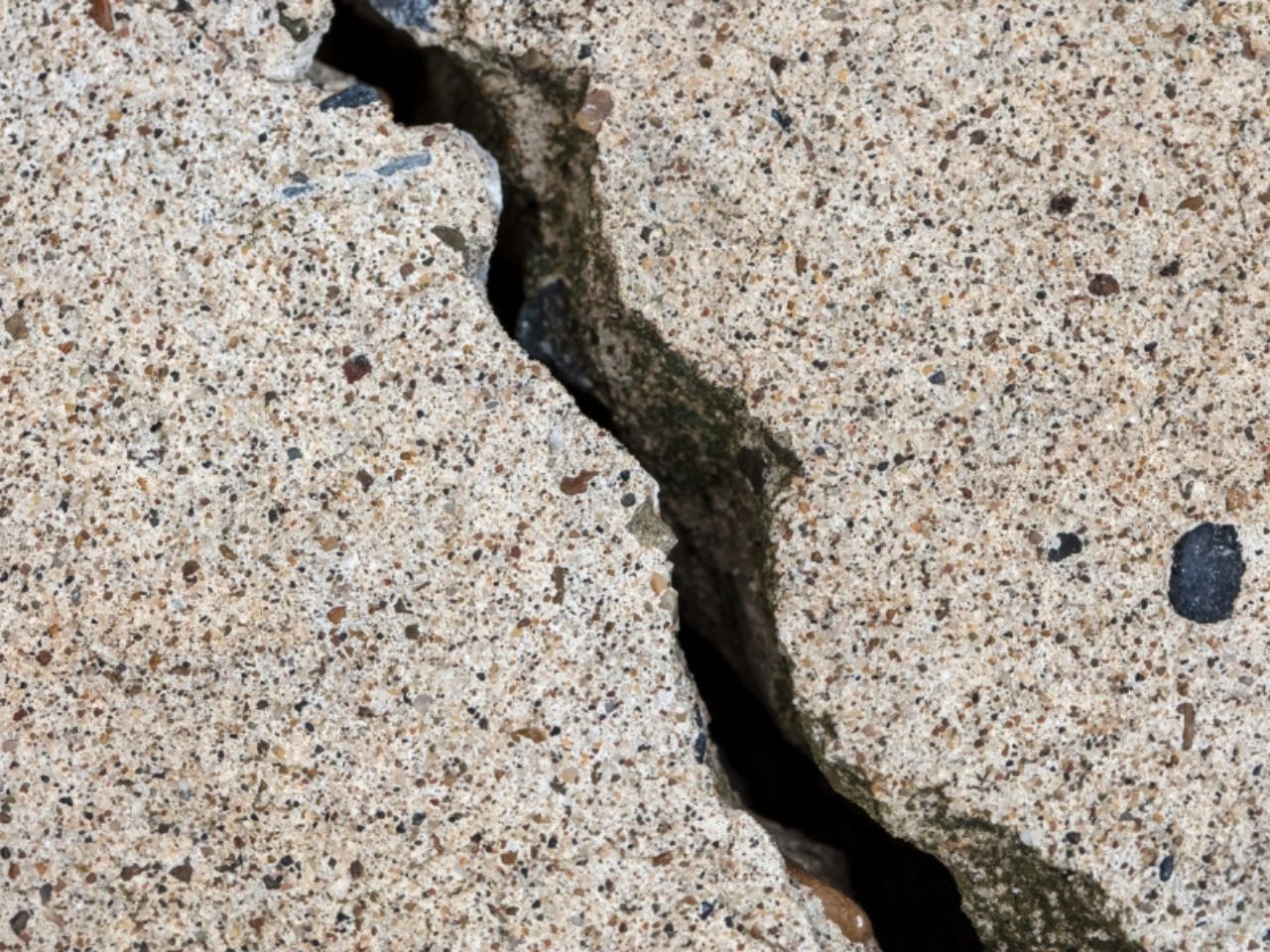
If your poured concrete foundation has cracked under the pressure of the snowbelt thaw, digging up the entire house isn’t always necessary. At DryShield, we use high-pressure injections — typically ranging from $600 to $1,000 per crack — to target the exact source of the intrusion.
High-pressure polyurethane injection seals an actively leaking foundation crack from inside the basement.
Polyurethane crack injection — for active leaks. If the spring melt is actively pouring through a crack in your Shelburne or Dundalk home, we use polyurethane injection. Inserted under high pressure, this resin violently expands when it hits water, filling the entire depth of the foundation wall out to the outside soil and creating a permanent, flexible, rubber-like seal that flexes with the freeze-thaw cycle.
Epoxy crack injection — for structural integrity. If you have a dry crack caused by soil settlement, we use industrial-grade epoxy injection. This acts as a structural weld, bonding the separated concrete back together with a tensile strength that is actually stronger than the original foundation.
Polyurethane vs epoxy crack injection: which one for your home
For older homes in Orangeville with cinderblock foundations, or properties dealing with high water tables, crack injections alone aren’t enough. You have to relieve the hydrostatic pressure from the outside.
The DryShield 7-layer exterior waterproofing system, used on severe leaks in Orangeville, Shelburne, and Dundalk.
Our complete exterior waterproofing process involves excavating down to the foundation footing. We seal the walls with a heavy-duty rubberized membrane, install a protective dimple board to create a permanent air gap, and lay down a brand-new weeping tile system surrounded by clear stone. Paired with a high-capacity, battery-backed interior sump pump installation, this system completely deflects the spring runoff and keeps your basement bone-dry year-round.
What does it cost to fix a foundation crack in Shelburne, Dundalk, or Orangeville?
Most single-crack repairs in the Dufferin–Grey corridor cost between $600 and $1,000 per crack, depending on length, depth, and accessibility. Multi-crack jobs and exterior waterproofing projects scale up from there based on excavation depth, foundation type (poured concrete vs. cinderblock), and the linear footage of wall protected.
Typical waterproofing repair costs in the Shelburne–Dundalk–Orangeville corridor (2026)
Repair type
Typical cost
When you need it
Polyurethane crack injection
$600 – $1,000 per crack
Active leak through a poured concrete crack
Epoxy crack injection
$600 – $1,000 per crack
Dry structural crack, settling movement
Sump pump installation (battery-backed)
$1,800 – $3,500
High water table, basement floods after thaw
Interior weeping tile replacement
$80-$150 per linear foot
Original weeping tile clogged or collapsed
Full exterior waterproofing
$150 – $300 per linear foot
Cinderblock walls, multiple leak points, severe efflorescence
You should not wait for a flood. The most common warning signs that your snowbelt home needs professional waterproofing are:
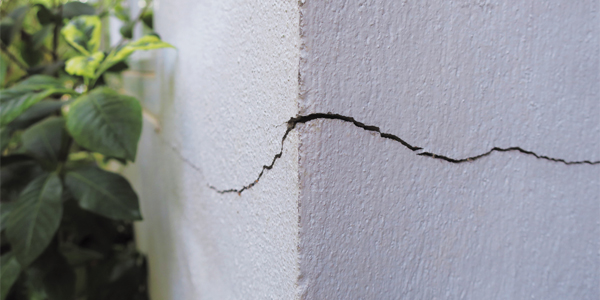
Visible vertical or diagonal cracks in poured concrete walls (especially in homes built in the last 10 years)
Damp spots, white efflorescence, or paint bubbling at the base of basement walls
Musty smells that worsen during heavy rain or snowmelt
Standing water on the basement floor after a thaw
Bowing or inward-pressing walls — a sign of severe hydrostatic pressure
Sump pump running constantly during March and April
Any of the above is a signal to book a free DryShield inspection before the next thaw cycle.
Frequently asked questions
Why does the snowbelt cause more basement leaks than the GTA?
The Dufferin–Grey corridor receives 30–50% more annual snowfall than the GTA, and its dense Elma till subsoil prevents quick drainage. When the snow melts, water pools against foundations longer and at higher pressure, finding any weakness in the wall.
How much does crack injection cost in Orangeville?
DryShield’s polyurethane and epoxy crack injections in Orangeville and surrounding communities typically range from $600 to $1,000 per crack, with an industry-leading Lifetime Transferable Warranty on every repair.
Is polyurethane or epoxy injection better for my home?
Polyurethane is the right choice for actively leaking cracks because it expands on contact with water and remains flexible during freeze-thaw cycles. Epoxy is the right choice for dry, structural cracks where you need to weld the foundation back together. DryShield assesses each crack and selects the correct material — sometimes both are used on the same wall.
Can DryShield service homes in Dundalk and Grey County?
Yes. DryShield serves Shelburne, Dundalk, Orangeville, Owen Sound, and the surrounding Dufferin–Grey corridor with the same fully licensed crews and the same Lifetime Transferable Warranty offered in the GTA.
How long does a crack injection last?
A correctly installed polyurethane or epoxy crack injection should last the lifetime of the foundation. DryShield backs every repair with a Lifetime Transferable Warranty — if a treated crack ever leaks again, we return and re-treat it at no cost.
Do I need exterior waterproofing or is interior crack injection enough?
If the leak is coming through a small number of identifiable cracks, interior injection is usually sufficient and far less invasive. If the home has cinderblock walls, multiple leak points, severe efflorescence, or signs of bowing, exterior waterproofing is the permanent fix because it relieves the hydrostatic pressure causing the damage.
About DryShield
DryShield Water Solutions Corp. has provided basement waterproofing and foundation crack repair across Toronto, the GTA, and the Dufferin–Grey corridor for over 25 years. Every repair is performed by fully licensed, insured technicians and is backed by an industry-leading Lifetime Transferable Warranty. We are an A+ rated member of the Better Business Bureau and a top-rated waterproofing contractor on HomeStars with 488+ verified reviews.
Service area: Toronto, Mississauga, Hamilton, Markham, Orangeville, Shelburne, Dundalk, Owen Sound, Collingwood, and surrounding Dufferin and Grey County communities.
Don’t wait for the spring thaw
Waiting until the snow starts melting is a recipe for a flooded basement, ruined drywall, and hazardous mold growth. Protect your real estate investment before the hydrostatic pressure builds.
Heavy spring rains are pushing water through GTA foundations right now. Here’s the fastest, most cost-effective way to stop it — and the new City subsidy that can help pay for it.
Key Takeaways
Environment Canada has issued flood warnings for the GTA as of April 14, 2026, with saturated ground and 20+ mm of rainfall overwhelming drainage systems across the region.
Foundation cracks are the #1 entry point for floodwater in poured-concrete basements — the most common foundation type in the GTA.
Crack injection repairs take 2–4 hours with no excavation, costing $650–$1,500 per crack versus $15,000–$25,000+ for exterior waterproofing.
The City of Toronto is nearly doubling its Basement Flooding Protection Subsidy to $6,650 starting May 1, 2026 — up from $3,400.
Every day you wait after a flood increases the risk of mould growth, structural deterioration, and exponentially higher repair costs.
On April 14, 2026, Environment Canada issued a special weather statement for Toronto and the Greater Toronto Area, warning of heavy rainfall that could lead to localized flooding. The Toronto and Region Conservation Authority (TRCA) followed with a flood outlook effective through April 16, citing saturated ground conditions, thunderstorms, and widespread rainfall exceeding 20 millimetres.
This isn’t an isolated event. Southern Ontario’s spring thaw cycle creates a predictable but devastating pattern for homeowners every year. Snow and ice that accumulated over the winter melt into the soil at the same time that spring rainstorms deliver heavy precipitation. The ground, still partially frozen or fully saturated from snowmelt, loses its capacity to absorb additional water. That water has to go somewhere — and for tens of thousands of GTA homes, it goes straight through foundation cracks and into the basement.
The City of Toronto’s own Basement Flooding Protection Program estimates that over 20,000 homes are at risk of basement flooding annually. If your basement is taking on water right now, understanding the cause — and the most effective repair option — is critical before the next storm arrives.
How Floodwater Enters Your Basement Through Foundation Cracks
The vast majority of homes in the GTA are built on poured-concrete foundations. Concrete is an incredibly strong material, but it is not waterproof. As concrete cures, it shrinks — and that shrinkage creates hairline cracks, often within the first year after construction. Over time, Toronto’s aggressive freeze-thaw cycles widen these cracks. Water expands by approximately 9% when it freezes. A crack that measures 1 mm in October can measure 3–4 mm by the following April after a full winter of freeze-thaw action.
When heavy rainfall saturates the soil surrounding your foundation, hydrostatic pressure builds against the walls. This pressure forces water through any available opening. A single foundation crack, even one as narrow as a credit card edge, can allow litres of water per hour into your basement during a sustained rainstorm. Southern Ontario’s clay-heavy soil — particularly in areas like Vaughan, Brampton, Mississauga, and Scarborough — amplifies this effect because clay retains water rather than allowing it to drain away from the foundation.
The result: water enters through the crack, pools on the basement floor, damages stored belongings, and creates the perfect conditions for mould and mildew — which can begin to colonize within 24 to 48 hours of moisture exposure.
7 Warning Signs Your Foundation Was Compromised by Flooding
After a heavy rain event like the one Toronto is experiencing this week, inspect your basement carefully for these indicators that water is entering through a foundation crack:
Active water seepage along a wall crack. The most obvious sign. If you can see water trickling or weeping through a visible line in the concrete, you have a crack that needs professional crack injection.
Damp or discoloured patches on basement walls. Water stains that weren’t there before the storm indicate moisture migration through the concrete, even if the crack itself isn’t visible from the interior.
White, powdery residue (efflorescence). This chalky mineral deposit forms when water passes through concrete and evaporates on the surface, leaving dissolved salts behind. It is a reliable indicator of ongoing moisture infiltration.
Musty or damp odour in the basement. If your basement smells different after the rain, moisture has entered. Mould and mildew produce a distinctive musty smell even before visible growth appears.
Peeling paint or bubbling drywall. Moisture behind finished walls causes paint adhesion failure and drywall deterioration. If you have a finished basement and notice these signs, the water source is almost always a foundation crack behind the wall.
Puddles or damp carpet near the base of foundation walls. Water that enters through a crack above the floor line runs down the wall and pools at the base. Check where the wall meets the floor on all exterior-facing walls.
Rust stains on concrete floors or near metal fixtures. When water reaches metal components — tie rods, steel reinforcement, or hardware embedded in the concrete — rust develops and stains the surrounding area.
Don’t ignore these signs. A crack that admits a small amount of water today will admit significantly more after the next freeze-thaw cycle widens it further. The average cost of mould remediation in a Toronto basement ranges from $3,000 to $10,000. A single crack injection repair costs a fraction of that.
Crack Injection Explained: Polyurethane vs. Epoxy
Crack injection is the process of sealing a foundation crack from the inside using specialized resins injected under high pressure. The material fills the entire crack — from the interior surface through the full thickness of the wall to the exterior soil face — creating a permanent, watertight seal. No excavation or exterior digging is required.
There are two primary injection materials, and choosing the right one depends on whether the crack is an active leak or a structural concern.
Polyurethane Injection: For Active Leaks and Water-Stopping
Polyurethane injection is the preferred method when a crack is actively leaking — which is exactly the situation most homeowners face after a flood event. Hygro-phobic polyurethane resin is injected through metal ports drilled into the crack at 45-degree angles, spaced every 6 to 8 inches along the length of the crack.
What makes polyurethane uniquely effective for flood-related repairs is its chemical reaction with water. The resin expands up to 30 times its original volume upon contact with moisture, filling every void and micro-fissure within the crack. The presence of water during injection actually accelerates the curing process — meaning it works better when the crack is wet. The result is a closed-cell foam seal that is flexible enough to move with the natural expansion and contraction of the concrete through seasonal temperature changes.
Epoxy Injection: For Structural Reinforcement
When a crack threatens the structural integrity of the foundation — typically wider cracks or those caused by settlement rather than shrinkage — epoxy injection is the appropriate solution. Two-component epoxy resin cures into a rigid bond that is actually stronger than the surrounding concrete. This effectively welds the crack shut and restores the wall’s original load-bearing capacity.
Epoxy is most commonly used in commercial applications or residential situations where an engineer has identified structural movement. For the majority of homeowners dealing with water intrusion after spring flooding, polyurethane is the recommended solution.
The Process: What to Expect
A professional crack injection repair follows a disciplined sequence. The technician first prepares the area with protective coverings, then cleans the crack surface. Holes are drilled into the crack at alternating 45-degree angles every 6 to 8 inches. Metal injection ports (not plastic — metal ports withstand higher pressure for deeper penetration) are fastened into each hole. The resin is then injected starting from the lowest port and working upward, ensuring complete fill from front to back. The entire process typically takes 2 to 4 hours and is completed entirely from inside the home.
Cost Comparison: Crack Injection vs. Other Repair Methods
For homeowners trying to decide how to address a leaking foundation after flooding, cost is often the deciding factor. Here is how crack injection compares to the alternatives:
Repair Method
Typical Cost
Duration
Excavation Required?
Disruption Level
Crack Injection (Polyurethane)
$600 – $1,500 per crack
2 – 4 hours
No
Minimal
Crack Injection (Epoxy)
$650 – $1,500 per crack
2 – 4 hours
No
Minimal
Interior Drainage System
$2,500 – $6,000+
2 – 4 days
Interior floor cut
Moderate
Exterior Waterproofing
$150 – $350 per linear foot
3 – 7 days
Full perimeter excavation
Severe
Full Exterior Excavation
$15,000 – $25,000+
1 – 2 weeks
Yes — full depth
Severe (landscaping destroyed)
The numbers speak clearly. If water is entering through an identifiable crack in a poured-concrete foundation, crack injection is the fastest, least invasive, and most cost-effective permanent repair. Left unaddressed, that same crack will likely require a $20,000+ exterior excavation repair within a few years as the damage compounds through successive freeze-thaw cycles.
All DryShield crack injection repairs come with a lifetime transferable warranty. If any seepage returns through a repaired crack, DryShield returns and re-injects at no additional cost.
Toronto’s New $6,650 Basement Flooding Subsidy (May 2026)
Toronto homeowners dealing with basement water issues have a significant financial incentive to act now. The City of Toronto has approved an enhancement to its Basement Flooding Protection Subsidy Program, effective May 1, 2026. The maximum total subsidy per property is increasing from $3,400 to $6,650.
The enhanced program includes increased caps for backwater valve installation (up to $1,250), sump pump installation including alarm and battery backup (up to $1,750), a new $300 subsidy for sump pump battery backup systems, and a new home plumbing assessment subsidy to help identify internal contributors to flooding.
While foundation crack injection itself is not directly covered by this specific City program, the subsidy can offset costs for complementary flood-prevention measures like sump pumps and backwater valves — freeing your budget to address the foundation cracks that are the actual source of water entry. A comprehensive approach that combines crack injection to seal the entry points with a sump pump and backwater valve for broader protection gives your home the strongest possible defence against future flooding.
Why Acting Now — Before the Next Storm — Saves You Thousands
The April 2026 flooding is not a one-off event. Toronto’s spring season typically brings multiple heavy rainfall events between April and June, and climate data shows that extreme precipitation events in the GTA are increasing in both frequency and intensity.
Every storm that pushes water through an untreated foundation crack compounds the damage in three ways:
Structural degradation accelerates. Water erodes the concrete matrix around the crack, widening it incrementally. Freeze-thaw cycles exploit the expanded crack further. What starts as a hairline fracture that could be repaired for $600 can become a structural failure requiring $20,000+ in excavation and rebuilding.
Mould colonization begins within 48 hours. Once moisture enters a basement, mould spores — which are always present in the air — land on damp surfaces and begin to grow. Mould remediation in a Toronto basement costs $3,000 to $10,000 depending on the extent of colonization. A finished basement with mould behind the drywall can cost significantly more to fully remediate.
Property value erodes. A history of basement flooding, visible water damage, or disclosed foundation issues reduces a GTA home’s resale value by an estimated 3% to 5%. On a home valued at $1 million — close to the current GTA average — that translates to $30,000 to $50,000 in lost equity. Professional foundation crack repair with a transferable warranty protects and can even enhance your property’s value.
Don’t wait for the next storm to test your foundation.
DryShield provides free on-site inspections for homeowners across Toronto and the Greater Toronto Area. Our certified technicians will assess your foundation, identify every crack and potential entry point, and provide a detailed repair recommendation — at no cost and with no obligation.
All crack injection repairs include a lifetime transferable warranty. If it leaks again, we come back — free.
Frequently Asked Questions
Can crack injection be done while the crack is actively leaking?
Yes — in fact, polyurethane injection works best on wet or actively leaking cracks. The resin reacts with water to expand and cure faster, creating a stronger seal. There is no need to wait for the crack to dry out before scheduling a repair.
How quickly can I get a crack injection after my basement floods?
Once floodwater has been removed and the basement is safe to work in, crack injection can be performed immediately. The repair itself takes 2 to 4 hours per crack. DryShield offers rapid-response scheduling for homeowners dealing with active flooding situations.
Will crack injection fix all basement flooding?
Crack injection is the correct solution when water enters through identifiable cracks in a poured-concrete foundation. If water is entering through the cove joint (where the wall meets the floor), through window wells, or from sewer backup, additional measures like an interior drainage system, sump pump, or backwater valve may be needed. A professional inspection will determine the exact source and the right repair.
Does the City of Toronto subsidy cover crack injection?
The City’s Basement Flooding Protection Subsidy Program covers backwater valves, sump pumps, and related plumbing measures. While crack injection is not directly covered under the current program, the subsidy can offset costs for complementary protection, and the combined approach provides the most comprehensive flood defence for your home.
How long does a crack injection repair last?
A properly executed crack injection is designed to last for the remaining lifespan of the foundation. DryShield backs every injection with a lifetime transferable warranty — meaning the coverage follows the home even if you sell it.
Is crack injection better than patching the crack from the outside?
Exterior surface patching only seals the visible face of the crack and does not address the full depth. Water continues to enter and freeze within the concrete, eventually breaking through the surface patch. High-pressure crack injection fills the entire crack from front to back, sealing it permanently through the full thickness of the wall.
What does crack injection cost in Toronto?
Most residential foundation crack injections in the GTA cost between $650 and $1,500 per crack, depending on crack length, accessibility, and the type of resin used. This is a fraction of the cost of exterior waterproofing or excavation, which can run $15,000 to $25,000+.
About DryShield Basement Waterproofing DryShield is Toronto’s trusted basement waterproofing and foundation repair specialist, serving the Greater Toronto Area with professional crack injection, interior and exterior waterproofing, and comprehensive foundation repair services. Every repair is backed by a lifetime transferable warranty. Call 1-800-277-5411 or visit dryshield.ca for a free estimate.
If you live in the stretch of Central Ontario from the Georgian Triangle down to Wellington County, you know that our weather plays by its own rules.
While homeowners in downtown Toronto worry about aging city sewer lines, homes in Collingwood, Barrie, Shelburne, Orangeville, and Fergus face a completely different triple-threat: massive Georgian Bay lake-effect snowpacks, high-elevation freeze-thaw cycles, and rapid spring melts.
At Dryshield, we’ve spent decades waterproofing homes across this exact corridor. Whether you have a newly built subdivision home in Barrie or a 100-year-old stone farmhouse in Fergus, protecting your foundation requires a specific strategy. As the spring thaw hits full swing, here is everything you need to know about keeping your basement completely dry.
Screenshot
1. The Spring Melt and Hydrostatic Pressure (Barrie & Collingwood)
If you live in the snowbelt, you know how much snow accumulates against your foundation from December to March. When April arrives, that massive snowpack melts rapidly. The frozen ground simply cannot absorb that much water fast enough.
This creates a dangerous phenomenon called hydrostatic pressure. Thousands of pounds of heavy, pooling meltwater begin pushing against your foundation walls, searching for the path of least resistance—which is usually a microscopic crack requiring [link “foundation crack repair” to your crack repair page] or a failing window well.
The Best Defense: External Waterproofing For modern, poured-concrete homes in areas like Barrie and Collingwood, external waterproofing is often the ultimate solution. This process involves:
Excavating the soil around the affected foundation walls down to the footings.
Repairing any cracks and applying a thick, rubberized waterproofing membrane to the exterior concrete.
Installing a modern dimple board to create a physical barrier against the wet soil.
Replacing old, clogged weeping tiles with a brand-new drainage system.
External waterproofing stops the meltwater before it ever touches your concrete, relieving the hydrostatic pressure and keeping your finished basement completely dry.
2. Historic Homes and Stone Foundations (Fergus & Orangeville)
As you drive south through Dufferin and Wellington counties, the architecture shifts. Fergus, Orangeville, and the surrounding rural townships are home to beautiful, historic properties built in the late 1800s and early 1900s.
These historic homes usually don’t have poured concrete basements; they have stone and mortar (rubble) foundations. Waterproofing these homes requires extreme care. You cannot aggressively excavate around a 100-year-old stone foundation without risking severe structural shifting. Furthermore, applying modern exterior tar to historic stone traps moisture inside the wall, causing the old mortar to crumble into sand.
The Best Defense: Internal Waterproofing To protect heritage homes, internal waterproofing is the safest and most effective standard.
We install an interior weeping tile system beneath the basement floor slab along the perimeter.
We apply a specialized drainage membrane (dimple board) to the inside of the stone walls.
Stone naturally weeps and “breathes.” An internal system allows the stone to behave naturally, capturing any moisture that seeps through the mortar and channeling it safely to a sump pump. This keeps the basement bone-dry without ever risking the structural integrity of the farmhouse.
Screenshot
3. The Rural Power Outage Threat
There is one factor that unites this entire geographic corridor: high winds, ice storms, and unpredictable spring weather often lead to power outages.
If you are on a rural route or in a subdivision on the edge of town, you cannot rely entirely on the electrical grid during a severe spring storm. If the power goes out, your primary sump pump shuts down. If this happens during a heavy rainstorm or peak snowmelt, your basement can flood in a matter of hours.
For homes from Collingwood down to Fergus, a battery-backup sump pump is absolutely mandatory. These systems automatically kick in the second the power drops, ensuring your basement stays dry even if you are in the dark for days.
4. Internal vs. External: What’s Right for Your Property?
Not sure which system your home needs? Here is a quick cheat sheet based on our experience in Central Ontario:
Choose External Waterproofing if: You have a poured concrete foundation, a fully finished basement that you don’t want to tear up, and enough space around your property for a crew to safely excavate.
Choose Internal Waterproofing if: You have a historic stone or block foundation, your home sits closely to neighboring properties or bedrock (making excavation impossible), or you are planning to finish a currently unfinished basement and want guaranteed protection from the inside.
Frequently Asked Questions: Basement Waterproofing in Central Ontario
Why does my basement flood every spring during the snowmelt? In snowbelt areas like Barrie and Collingwood, rapid spring thaws create “hydrostatic pressure.” The frozen ground cannot absorb the melting snow fast enough, causing thousands of pounds of water to push against your foundation walls. If there are any microscopic cracks or failing weeping tiles, that pressurized water will force its way into your basement.
Can you waterproof an old stone foundation from the outside? We strongly advise against exterior excavation for historic stone or rubble foundations, which are common in Fergus and Orangeville. Digging around a 100-year-old farmhouse can cause dangerous structural shifting, and applying modern exterior tar can trap moisture, causing historic mortar to crumble. Internal waterproofing is the safest and most effective method for heritage homes.
Do I really need a battery-backup sump pump if I live in a rural area? Yes. Homes in rural corridors and subdivisions outside major cities frequently experience power outages during spring ice storms and high winds. If your primary sump pump loses power during a heavy rainstorm or peak snowmelt, your basement can flood in hours. A battery-backup system automatically takes over to keep your foundation dry during grid failures.
How do I know if I need internal or external waterproofing? As a general rule, external waterproofing is ideal for modern poured-concrete homes with finished basements where you want to stop water before it touches the wall. Internal waterproofing is ideal for historic stone foundations, homes built on bedrock (common near Georgian Bay), or properties where exterior excavation isn’t physically possible.
Stop the Spring Melt Before It Starts
Waterproofing isn’t a one-size-fits-all job, especially not in Central Ontario. The techniques used in downtown Toronto don’t always apply to the unique soil, snowpacks, and historic homes found in our northern and rural communities.
At DryShield, we understand the local terrain. If you are noticing musty smells, damp walls, or pooling water this spring, don’t wait for a major flood to take action.
That musty smell in your basement after a heavy Toronto downpour isn’t just an inconvenience. It’s a direct warning from your foundation. For too many GTA homeowners, this subtle sign is the first step toward discovering cracked walls, ruined belongings, and a problem that feels completely overwhelming.
It’s a stressful position. You’re worried about the immense cost of structural failure, the potential destruction of your garden during excavation, and the conflicting quotes that leave you wondering who to trust. This 2026 guide was created to eliminate that uncertainty. We’ll explain exactly why a comprehensive exterior waterproofing Toronto system is the only permanent solution to safeguard your home. You will discover how to achieve a perfectly dry basement ready for finishing, boost your property value, and secure a lifetime transferable warranty that protects your investment for good. We’ll cover everything from the excavation process and material selection to understanding the real costs involved, giving you the confidence to make the right choice.
Key Takeaways
Discover why stopping water before it reaches your foundation is the only permanent solution for a wet basement in the GTA’s unique clay soil.
Get the latest 2026 cost estimates per linear foot for exterior waterproofing Toronto and learn the best seasons to schedule your project for minimal disruption.
Understand the crucial differences between exterior and interior solutions to make the right long-term investment for your home and family.
Learn what to look for in a professional waterproofing process and why a lifetime transferable warranty is essential for protecting your property value.
Why Exterior Waterproofing is the Gold Standard for Toronto Foundations
When water finds its way into your basement, the damage is already done. The goal shouldn’t be to manage a leak; it should be to prevent it entirely. That’s the core principle behind exterior waterproofing. It’s a proactive, permanent solution that creates an impenetrable barrier on the outside of your foundation, stopping water before it ever has a chance to touch the concrete. For homeowners in the GTA, this isn’t just an upgrade. It’s a necessary defense against our unique soil conditions and increasingly severe weather, safeguarding your home’s structural integrity for decades to come.
The “Clay Belt” Challenge: Why Toronto Homes Leak
Many Toronto properties are built on a dense, heavy clay soil that acts like a sponge. After a heavy rain or snowmelt, this soil becomes saturated and expands, exerting immense force against your foundation walls. This is known as hydrostatic pressure. The problem is amplified by a phenomenon called “adfreezing,” where moisture in the soil freezes directly onto your foundation. The force generated by this freeze-thaw cycle is immense; the expansion of freezing water trapped in clay soil can exert enough pressure to crack a 10-inch thick concrete foundation wall.
This relentless pressure is a primary cause of foundation leaks across the region. As climate projections for Southern Ontario through 2026 predict a 7% increase in intense, short-duration rainfall events, the need for a robust external barrier has never been more critical. An exterior system doesn’t just block water; it relieves this dangerous pressure, protecting your home from the ground up.
Exterior vs. Interior: The Core Differences
Understanding the different Basement waterproofing techniques is crucial. An interior system is designed to manage water after it has already penetrated your foundation. It uses weeping tiles and a sump pump to collect and redirect water away. It’s a reactive solution. Proper exterior waterproofing toronto is a preventative system. It stops water at the source.
This distinction is vital, especially for finished basements or spaces used for high-value storage. You don’t want any moisture breaching your walls, which could lead to mould, damaged drywall, and ruined belongings. While an internal system can clog with silt over 15-25 years and depends on a mechanical pump, a professionally installed external membrane is a permanent, passive shield designed to last over 50 years. It’s the difference between having a bucket to catch drips and having a roof that doesn’t leak in the first place.
Ultimately, keeping your foundation walls consistently dry and warm provides unmatched long-term benefits. It prevents the deterioration of concrete, stops rebar from rusting, and eliminates the dampness that can lead to musty odours and poor air quality. For a truly dry, healthy, and structurally sound home, the solution must start on the outside.
The DryShield 7-Step Exterior Armor Process
A wet basement is a symptom of a failing foundation. Simply patching a crack from the inside won’t solve the problem. To permanently stop water from entering your home, you must address the issue from the outside. Our 7-step process is the gold standard for exterior waterproofing in Toronto, engineered to withstand the freeze-thaw cycles and heavy precipitation common in Southern Ontario. It’s not a temporary fix; it’s a permanent shield for your home and your peace of mind.
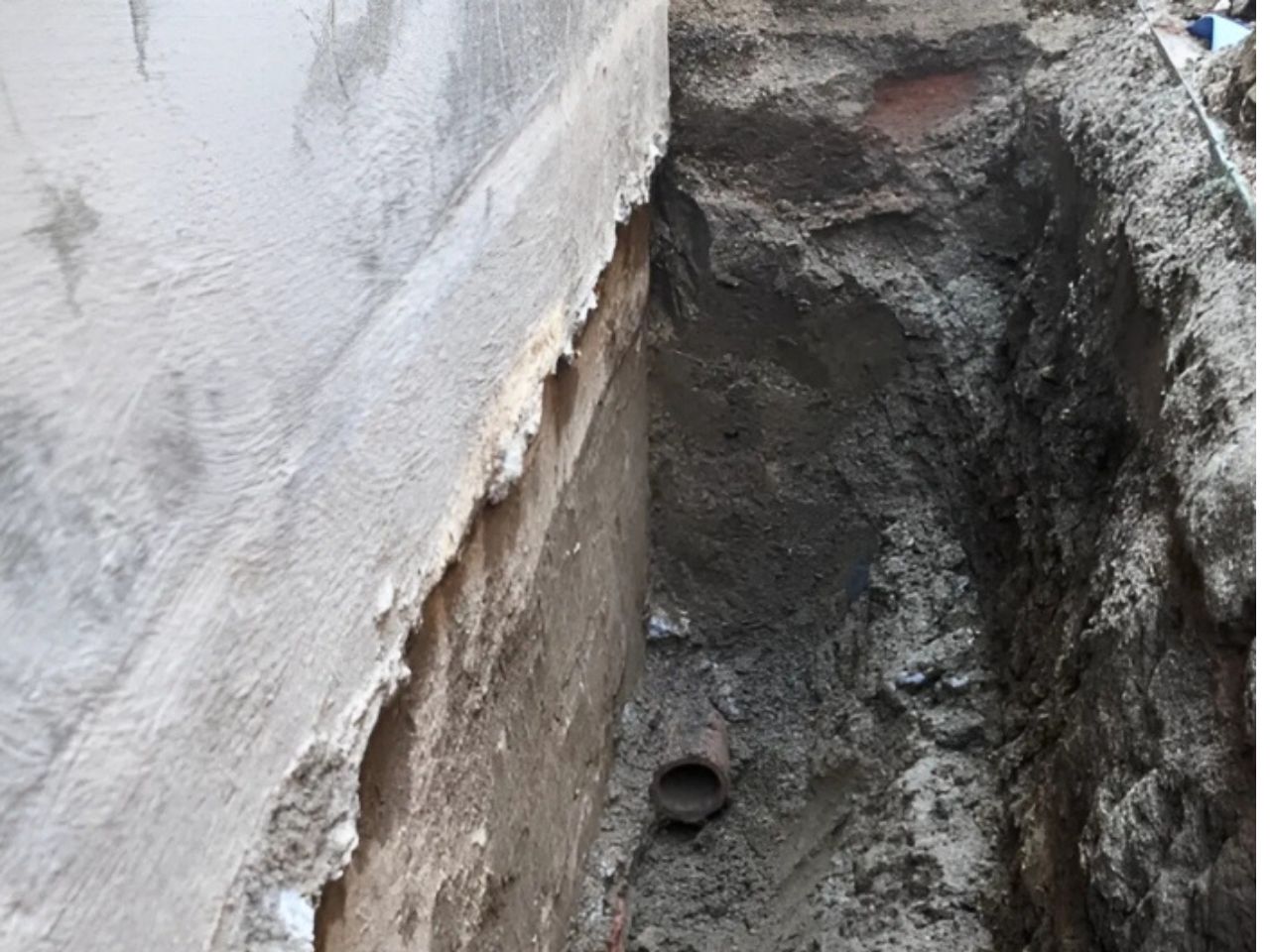
We treat your property with the respect it deserves. The process begins with meticulous site preparation, protecting your landscaping, walkways, and air conditioning units. Then, our certified team excavates along the leaking wall, digging all the way down to the foundation footing. This step is critical. It uncovers the hidden cracks, crumbling mortar, and failing weeping tiles that cause persistent leaks. Understanding the true causes and solutions for basement moisture begins by exposing the source of the problem.
Once the foundation wall is exposed, we prepare the surface with expert precision. We wire-brush the concrete to remove debris and old, failed coatings. Any structural cracks are chased out and repaired with high-strength hydraulic cement, creating a solid, stable surface ready for its new armor.
The Multi-Layer Waterproofing Membrane
This is where true waterproofing happens. We apply a thick, high-grade rubberized asphalt membrane, creating a seamless and flexible barrier that water cannot penetrate. We then install a dimpled drainage board (like Delta-MS) over the membrane. This creates an air gap, relieving hydrostatic pressure and channeling water safely down to the drainage system. This is vastly superior to simple “damp-proofing,” which is just a thin tar spray that cracks and fails over time.
Modern Weeping Tile and Drainage Systems
An old, clogged weeping tile is useless. We remove outdated clay or Big O pipes and install a modern, 4-inch perforated PVC weeping tile system. This new pipe is laid in a bed of 3/4-inch clear gravel, which acts as a powerful filter to prevent silt and debris from causing future clogs. Finally, we ensure the system is correctly connected to your sump pump or the city’s storm sewer, guaranteeing water is discharged far away from your foundation.
With the new drainage system in place, we carefully backfill the excavated area, compacting the soil to prevent future settlement. Your property is left clean and secure, and your foundation is now permanently protected by the DryShield Exterior Armor. If you believe your home could benefit from this comprehensive approach, our technicians can provide a detailed on-site assessment to diagnose your specific needs.
Exterior Waterproofing vs. Interior Drainage: Making the Right Choice
When your basement is wet, you want a solution. Fast. Many Toronto homeowners face a critical decision: should you manage water from the inside or stop it from the outside? While interior drainage systems (often called weeping tile systems) have their place, they don’t solve the root problem. They are a bandage, not a cure. An interior system is designed to collect water after it has already breached your foundation walls. It manages the symptom, but the disease-water penetrating your home’s structure-continues unchecked.
Let’s address the single most dangerous misconception we encounter: “Interior waterproofing fixes foundation cracks.” This is fundamentally incorrect. An interior drain simply redirects the water that seeps through those cracks to a sump pump. Your foundation remains saturated, exposed to the freeze-thaw cycles of our Southern Ontario climate, and vulnerable to long-term decay. True exterior waterproofing in Toronto is the only method that creates a permanent, impermeable barrier, safeguarding your foundation’s structural integrity. Understanding the core differences between various Basement waterproofing techniques is the first step toward protecting your home’s value.
The decision often comes down to how you use your basement. If it’s a simple storage area for old paint cans, an interior system might seem like a cheaper, adequate fix. But if you’ve invested in a finished basement-a family room, a home office, or an in-law suite-you cannot afford to let water inside at all. The risk of ruined drywall, warped flooring, and toxic mold growth makes interior drainage an unacceptable gamble. Exterior waterproofing protects your investment by ensuring water never touches your foundation in the first place.
When Exterior Waterproofing is Mandatory
Sometimes, the choice is made for you. For certain properties, exterior waterproofing isn’t just the best option; it’s the only responsible one. This is non-negotiable when:
Structural Integrity is Compromised: You see significant cracking, spalling (flaking concrete), or heavy efflorescence on your exterior foundation walls. These are clear signs of water damage that must be addressed at the source.
A Finished Basement Must Be Protected: If you have tens of thousands of dollars invested in a finished living space, you can’t risk a drop of water. Tearing out finished walls to install an interior system is destructive and counterintuitive.
Hydrostatic Pressure is High: Homes in many GTA neighborhoods with high water tables or poor grading face immense hydrostatic pressure. An exterior membrane and proper drainage are the only ways to actively fight this constant force.
The Investment Gap: ROI for Toronto Homeowners
Exterior waterproofing requires excavation, making its initial cost-typically between C$120 and C$200 per linear foot in Toronto-higher than an interior system. However, viewing this as a cost is a mistake. It is one of the most valuable investments you can make in your property. Toronto real estate agents consistently report that a certified, warrantied exterior waterproofing job can increase a home’s resale value by 5-10%. Buyers see it as a sign of a well-maintained, secure property. The “cost of failure” for an interior-only system in a high-risk zone can be catastrophic, easily exceeding C$30,000 in restoration and remediation after a single flood. A DryShield lifetime transferable warranty isn’t just a document; it’s a powerful selling feature that gives future buyers complete peace of mind.
Planning Your Project: Costs, Timing, and Landscaping in Toronto
You’ve decided that a dry, protected foundation is a non-negotiable for your home. That’s the first step. The next is understanding the practical realities of the project. A successful waterproofing job isn’t just about membranes and weeping tiles; it’s about smart planning that respects your budget, your schedule, and your property. Here’s exactly what to expect when you undertake an exterior waterproofing Toronto project.
First, let’s talk budget. For 2026, homeowners in the Greater Toronto Area can anticipate costs for exterior waterproofing to range from C$120 to C$280 per linear foot. This variation depends heavily on the depth of your foundation, soil conditions (Toronto’s clay can be challenging), and site accessibility. A narrow laneway will require more specialized equipment than a wide-open yard, affecting the final price. Obstacles like decks, interlock driveways, or concrete porches also add to the scope, as they must be carefully removed and reinstated.
Timing is also critical. In Toronto, the ideal seasons for foundation work are spring and fall.
Spring (April-June): The ground is thawed and softer, making excavation faster. However, spring showers can introduce delays.
Fall (September-November): The weather is typically drier and more stable, providing perfect conditions before the ground freezes.
Finally, permits are a common concern. For most residential foundation waterproofing, the City of Toronto does not require a specific permit unless the excavation depth exceeds 1.2 meters (4 feet) near an adjacent structure. However, it is mandatory to contact Ontario One Call at least five business days before digging to locate all underground utility lines. We handle this process to ensure every project is safe and compliant from day one.
The Homeowner’s Survival Guide to Excavation
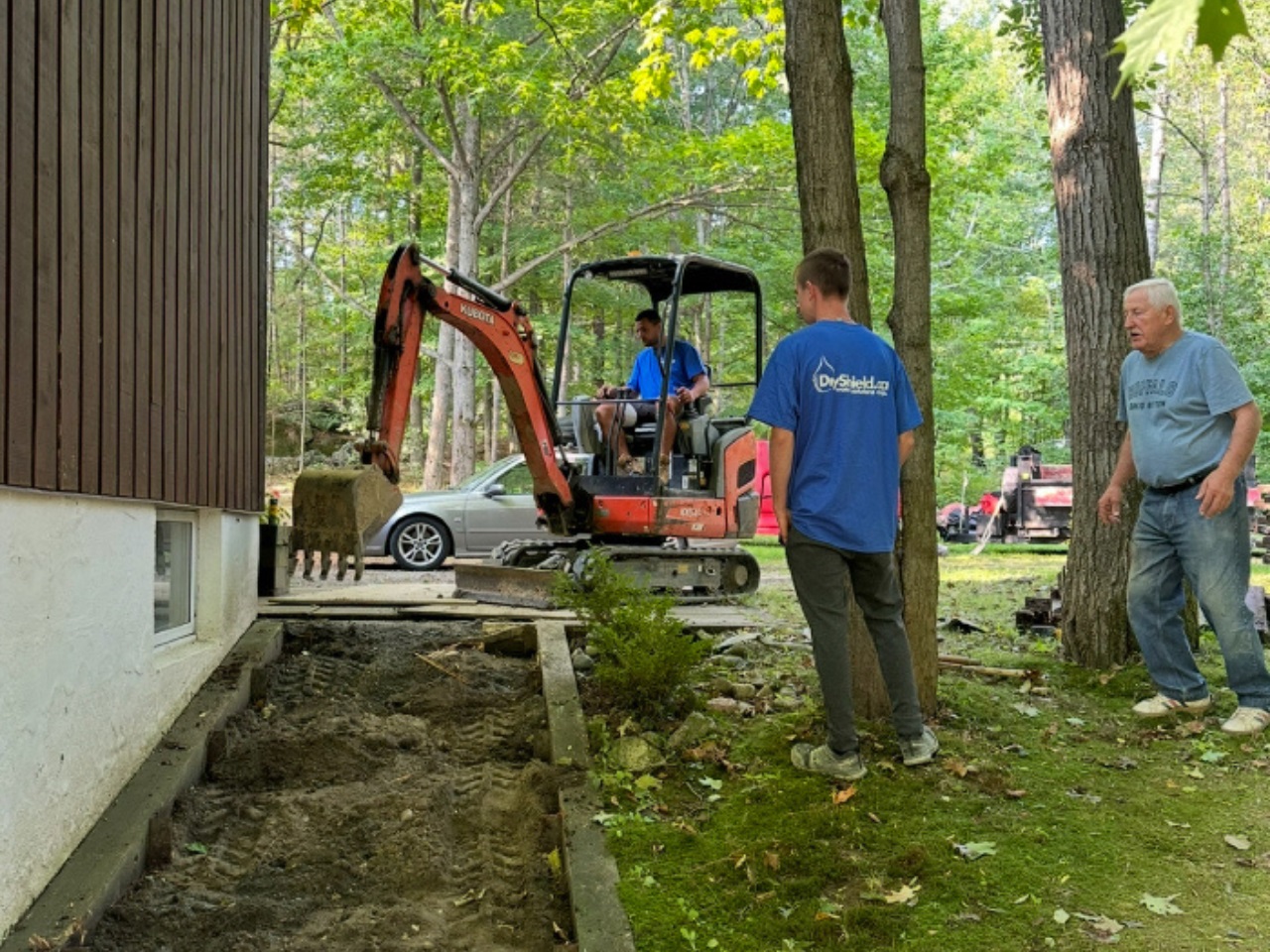
The word “excavation” can sound intimidating, but our process is designed for precision and minimal disruption. On Toronto’s tight lots, we use compact mini-excavators that can navigate narrow spaces between homes. We protect your lawn and walkways with heavy-duty plywood, creating a clean path for equipment and soil removal. A typical project follows a clear timeline: excavation (1-2 days), foundation cleaning and repair (1 day), membrane and drainage system installation (1-2 days), and backfilling (1 day). Before we arrive, simply clear the work area of patio furniture, planters, and personal items. A quick chat with your neighbors about the upcoming work is always a considerate touch.
Restoring Your Property Post-Waterproofing
Once your foundation is sealed and protected, we focus on restoring your property. A crucial step is managing soil settlement. The excavated soil we return to the trench needs time to compact. We strongly advise waiting at least 12-18 months before re-paving a driveway or re-laying expensive interlock. This allows the ground to settle naturally through a full cycle of seasons, preventing future sinking or cracking. For your garden, you can start planning immediately. We recommend shallow-rooted perennials and shrubs above the waterproofed zone, as deep-rooted trees could compromise the new membrane over time. Proper backfilling is key to this entire process. Tamping is the critical process of mechanically compressing the backfill soil in 8- to 12-inch layers, which eliminates air pockets to prevent major settlement and ensures your foundation is securely supported. When you’re ready to finalize your project details, get a detailed, transparent quote from our certified experts.
Why DryShield is Toronto’s Trusted Shield for 25+ Years
For over 25 years, DryShield has been the trusted name for homeowners across Southern Ontario. We aren’t just contractors; we are foundation specialists who bring an engineering-backed approach to every project. We understand the specific challenges of the Greater Toronto Area, from the heavy clay soil that puts immense hydrostatic pressure on foundations to the freeze-thaw cycles that can create cracks overnight. Our solutions are not one-size-fits-all. They are permanent, custom-designed systems built to protect your home from the unique Canadian climate.
This commitment to excellence is why we’ve maintained an A+ rating with the Better Business Bureau for decades. It’s a testament to thousands of successful projects and satisfied customers. When you choose DryShield, you’re choosing a local expert who has seen every type of basement leak and foundation issue imaginable. We don’t just fix the symptoms; we eliminate the root cause, delivering the most reliable exterior waterproofing Toronto homes can get.
The DryShield Lifetime Warranty Advantage
Our work is guaranteed for life. Period. Unlike standard “limited” guarantees that often contain loopholes or expire after a few years, the DryShield Lifetime Warranty is a permanent promise. It’s also fully transferable. In Toronto’s competitive real estate market, this becomes a powerful asset. When you decide to sell your home, the warranty transfers to the new owner, providing them with the same peace of mind and significantly boosting your property’s value and appeal.
Get Your Free Toronto Foundation Assessment
Finding the source of water intrusion requires precision. That’s why your free DryShield inspection is a thorough diagnostic process, not a quick guess. Our certified technicians use non-invasive tools like thermal imaging cameras and professional moisture meters to accurately identify problem areas without any disruption to your home. You see what we see. Following the assessment, you’ll receive a detailed, transparent, and no-obligation quote tailored specifically to your home’s needs. We explain the problem and the solution, empowering you to make the best decision for your property. Don’t let a damp basement compromise your home’s health and value. Take the first step toward a permanently dry foundation.
Shield Your Home’s Future: Your Next Step to a Dry Foundation
Protecting your home’s foundation isn’t just a repair; it’s a long-term investment in your property’s value and your family’s health. This guide has detailed why an external solution is the definitive way to stop water from ever touching your foundation walls. A comprehensive, engineered approach is the only way to guarantee a permanently dry basement against Toronto’s harsh freeze-thaw cycles.
For over 25 years, DryShield has been the trusted local expert for exterior waterproofing Toronto homeowners rely on. Our A+ BBB Rating and fully licensed, engineering-backed solutions are our promise to you. We don’t just fix leaks; we restore your peace of mind with a permanent solution, backed by our industry-leading Lifetime Transferable Warranty.
Frequently Asked Questions About Exterior Waterproofing
How much does exterior waterproofing cost in Toronto for 2026?
For 2026, homeowners in Toronto can expect exterior waterproofing to cost between C$120 and C$280 per linear foot. The final price depends on factors like foundation depth, soil conditions, and property access. A typical semi-detached home might see a total project cost from C$10,000 to C$25,000. We provide a detailed, on-site assessment to give you a guaranteed, transparent quote, ensuring you invest wisely in a permanent solution to protect your home.
How long does the exterior waterproofing process take for a standard GTA home?
A complete exterior waterproofing project for a standard GTA home typically takes our certified crew between 3 to 7 days to complete. This timeline allows for meticulous excavation, foundation cleaning, membrane application, and weeping tile installation without rushing these critical steps. We work efficiently to minimize disruption to your daily life, safeguarding your property quickly and restoring your peace of mind. Our process is designed for speed, but our results are built to last.
Will my garden or driveway be destroyed during foundation excavation?
No, protecting your property is our top priority. Our crews take meticulous care to minimize impact on your landscaping and hardscaping. We lay down heavy-duty tarps and plywood to protect your lawn and driveway. Any interlocking stones, plants, or shrubs are carefully removed and set aside for replanting after the work is complete. We restore your property to its original state, leaving you with only a dry basement and a clean yard.
Does exterior waterproofing increase the resale value of my Toronto home?
Yes, professional exterior waterproofing can increase your Toronto home’s resale value by as much as 15%. A dry, guaranteed basement is a major selling point that eliminates a huge concern for potential buyers. Our work comes with a fully transferable lifetime warranty, which provides documented proof of a permanent fix. This gives future owners complete confidence and makes your property a more attractive, high-value investment in the competitive Toronto real estate market.
Is exterior waterproofing better than interior waterproofing for a wet basement?
Yes, exterior waterproofing is the most comprehensive solution because it stops water at the source, before it can even touch your foundation walls. This method directly addresses hydrostatic pressure and prevents water infiltration entirely. Interior systems only manage water after it has already entered your foundation, which can still lead to long-term structural decay. To truly eliminate the problem and safeguard your home’s integrity, an exterior approach provides a permanent, impenetrable shield.
What is the lifespan of an exterior waterproofing membrane in Ontario?
A professionally installed, multi-layer waterproofing membrane has a lifespan of over 50 years, often lasting the entire life of the home. We use industrial-grade, polymer-based rubberized membranes designed to withstand the harsh freeze-thaw cycles of the Ontario climate without cracking or degrading. This is why we can confidently back our work with a lifetime transferable warranty. You don’t just get a temporary fix; you get a permanent shield guaranteed to protect your home for generations.
Do I need a permit for exterior basement waterproofing in the City of Toronto?
No, a permit is not required for standard exterior waterproofing excavation and repair in the City of Toronto, as this is considered maintenance. A permit would only be necessary if the project involves major structural foundation repairs or alters your home’s connection to municipal drainage systems. Our team handles all assessments to ensure your project fully complies with all local Toronto building codes, so you don’t have to worry about the paperwork.
Can you perform exterior waterproofing in the winter months?
Yes, we perform exterior waterproofing in Toronto year-round, even during the coldest winter months. Our certified crews are equipped with specialized ground-heating equipment to thaw frozen soil, ensuring a safe and effective excavation. In fact, frozen ground can sometimes make the process cleaner with less mud. A wet basement is an emergency that doesn’t wait for spring. We are prepared to protect your home from water damage in any season, providing a guaranteed solution whenever you need it.
What if that C$500 “quick fix” for your basement leak actually ends up costing you C$10,000 in structural damage and mold remediation by next winter? It’s a stressful situation. You see the water, you worry about the damage, and the fear of an unknown, escalating repair bill is overwhelming. You just want a straight answer and a permanent solution, not a sales pitch from a contractor you can’t trust.
That’s why we created this 2026 Toronto Homeowner’s Price Guide. Here, you will get a clear, transparent breakdown of the true basement leak repair cost in the GTA. We eliminate the guesswork so you can make a confident, informed decision to protect your family and your home’s value. This guide gives you the power to choose a guaranteed, permanent solution over a temporary patch that only postpones a bigger problem.
From simple epoxy crack injections starting around C$800 to comprehensive external waterproofing that can range from C$8,000 to C$25,000+, we’ll walk you through every option, including City of Toronto rebates that could save you thousands. Let’s get your foundation dry and secure, for good.
Key Takeaways
Understand the critical cost and performance differences between interior solutions, like epoxy injections, and comprehensive exterior excavation to make the right choice for your home.
Discover how factors like your home’s location in Toronto and foundation depth can significantly impact your final basement leak repair cost.
Learn why common DIY patches often fail within two years and how a professional repair protects your property value and insurance eligibility in Ontario.
Find out if you qualify for the City of Toronto’s Basement Flooding Protection Subsidy and how to claim up to C$3,400 in rebates for eligible work.
Understanding Basement Leak Repair Costs in Toronto (2026)
Searching for a clear answer on basement leak repair cost can feel frustrating. You see numbers online that seem too good to be true, and they usually are. The truth is, a “standard” repair in the Greater Toronto Area is a myth. What might be a simple C$800 crack injection in a new build becomes a complex C$5,000 foundation repair in an older Toronto home. The most critical factor, however, is time. We’ve seen a C$500 hairline crack, ignored for one season, escalate into a C$15,000 project involving mold remediation and structural reinforcement. Delay is the most expensive decision a homeowner can make.
By 2026, the economic reality in Toronto further complicates pricing. Persistent skilled labour shortages in Ontario’s construction sector have increased labour rates by an estimated 12-15% since 2024. Simultaneously, the cost of high-performance materials like commercial-grade epoxy and polyurethane resins has climbed. This means that an “average” price you find on a generic home improvement blog, often based on U.S. data, fails to account for our market’s unique pressures and the specific challenges of Toronto’s older foundations.
The Toronto Climate Factor: Why Our Prices Differ
The GTA’s relentless freeze-thaw cycles put immense stress on foundations, forcing small cracks to widen as trapped water expands by 9% when it turns to ice. Compounding this is Toronto’s dense clay soil, which retains water and dramatically increases pressure against your basement walls. Hydrostatic pressure is the primary driver of basement leaks in Southern Ontario, representing the force of accumulated groundwater pushing against your foundation walls. This combination demands robust, climate-specific solutions, not generic fixes.
The “Call for Quote” Frustration: Why Flat Rates Don’t Exist
A leak in a 1920s Cabbagetown home with a fieldstone foundation presents a completely different challenge than one in a 1960s Etobicoke bungalow with cinder block walls. Access issues, unknown previous repairs, and buried utility lines make flat-rate pricing impossible and irresponsible. These older structures often require more comprehensive Basement waterproofing techniques than a simple injection. A professional on-site assessment isn’t a sales tactic; it’s a diagnostic necessity to provide a guaranteed price. At DryShield, our certified technicians use engineering-backed data to prevent price “creep,” ensuring the quote you receive is the final price you pay. Guaranteed.
Cost Breakdown by Repair Method: Interior vs. Exterior
When you discover water in your basement, your first decision point is how to attack the problem: from the inside out or the outside in. This choice is the single biggest factor influencing your total basement leak repair cost. One method manages water that has already entered, while the other stops it before it ever touches your foundation. Understanding the difference is critical to making a sound financial decision for your GTA home.
For isolated, non-structural wall cracks, a direct injection is often the most cost-effective first step. Using specialized polyurethane or epoxy resins, technicians can seal a single crack from the inside. This spot repair typically costs between C$450 and C$850 per crack. It’s an effective solution for minor issues. However, if you have multiple cracks or water seeping from the floor-wall joint, you’re dealing with a systemic water pressure problem that a spot fix can’t solve. This is where a full-perimeter solution becomes necessary.
Interior Waterproofing Costs and Benefits
An interior weeping tile system, also known as an internal drainage system, is the most common solution for finished basements across Toronto. The process involves creating a channel inside the basement along the footing, installing a weeping tile, and directing all collected water to a sump pump. The average cost for this in the GTA ranges from C$65 to C$125 per linear foot. This method is less disruptive and more affordable than excavation because it doesn’t require disturbing your landscaping, deck, or driveway. It effectively manages hydrostatic pressure by giving water a path of least resistance, safeguarding your living space from moisture and mold.
Exterior Waterproofing: The “Gold Standard” Investment
To truly stop water from penetrating your foundation walls, you must waterproof from the exterior. This is the only permanent, proactive solution. The process involves excavating the earth around your foundation, cleaning and repairing the wall, applying a waterproof membrane, and installing a new exterior weeping tile. Due to the intensive labour and machinery involved, the cost is higher, typically running from C$150 to C$300 per linear foot. This figure can increase if obstacles like decks, interlock patios, or mature gardens must be removed and replaced. While it is a significant investment, it is the most complete method of protection, a fact reinforced by the Government of Canada flood protection guide which outlines comprehensive strategies for safeguarding property. Exterior waterproofing eliminates the root cause of the leak, rather than just managing the symptoms.
Regardless of the perimeter system you choose, a high-quality sump pump is your primary line of defense. It’s the engine that powers any interior drainage system. A professional sump pump installation, including the basin, pump, and discharge line, typically adds C$1,200 to C$3,500 to the project total. Don’t treat this as an optional extra; it’s a non-negotiable component for a dry, healthy basement. Choosing between these methods depends on your budget, the severity of the issue, and your long-term goals for the property. A professional on-site assessment is the only way to determine which solution offers the best protection and value for your specific home.
Factors That Drive Up Your Toronto Foundation Repair Bill
While a “per-foot” price provides a baseline, the final invoice for your foundation repair is shaped by the unique challenges of your property. In the GTA, several factors can significantly increase the complexity and labour required, directly impacting your total basement leak repair cost. What seems like a simple crack repair can quickly become a more involved project once we uncover what’s happening behind the scenes.
A straightforward exterior excavation is one thing; navigating the tight spaces and hidden issues common to Toronto homes is another. Here’s what our certified technicians assess on-site:
Accessibility Issues: The “narrow-lot” challenge is a daily reality in downtown Toronto, East York, and The Beaches. When there isn’t enough space for an excavator, our teams must dig by hand. This manual labour is more time-consuming and physically demanding, which is reflected in the cost.
Depth of the Foundation: Newer homes in areas like Vaughan or Markham often feature basements with 8- or 9-foot ceilings. An older Toronto bungalow might only be 6 or 7 feet deep. Excavating that extra 2-3 feet means moving significantly more soil and requires more extensive shoring to ensure safety, adding to labour and equipment time.
The Presence of Utilities: Your foundation wall is a busy place. We must work meticulously around gas lines, hydro conduits, Bell Fibe cables, and fragile, century-old clay weeping tiles. This requires precision hand-digging to prevent a costly or dangerous accident.
Hidden Structural Damage: Sometimes, the real problem is only revealed after we start. We might uncover “honeycombing” a section of weak, porous concrete or find that water infiltration has corroded the internal steel rebar. This transforms a waterproofing job into a structural repair, requiring specialized epoxy injections and reinforcement to restore the foundation’s integrity.
Soil Composition and Hydrostatic Pressure
The ground around your home is the primary source of trouble. Properties near the Scarborough Bluffs or nestled in ravine lots often contend with dense clay soil and immense hydrostatic pressure from groundwater. This constant force pushes water against your foundation, exploiting any hairline crack. Poor grading, where your lawn slopes toward the house, compounds the issue. This is why a core part of any permanent solution, as outlined in the CMHC’s guide to fixing damp basements, involves managing water at its source. To guarantee proper drainage, we backfill with 3/4″ clear crushed stone, a material that costs more than native soil but is essential for channeling water away from your walls.
Finished vs. Unfinished Basements
Repairing a leak from the inside of a finished basement is a multi-stage process. It’s not just about sealing the crack; it’s about careful deconstruction and restoration. Our teams must cut and remove drywall, take up flooring, and detach baseboards before work can even begin. Once the waterproofing is complete, everything must be put back together. We always advise homeowners to budget an extra 20% on top of the repair quote for this restoration work. At DryShield, we safeguard your living space by creating containment zones to control dust and debris, minimizing the disruption to your family’s life.
DIY vs. Professional Repair: The Hidden Costs of “Cheap” Fixes
You see the crack. You see the water. Your first instinct might be to drive to the nearest big-box store for a quick fix. It seems simple enough, but this path often leads to greater damage and higher costs. The allure of a C$50 bucket of hydraulic cement is strong, but it’s a temporary patch on a permanent problem. We call this the “Home Depot Patch” fallacy.
These surface-level patches almost always fail. Why? Because they don’t address the root cause: hydrostatic pressure. Water from outside is actively pushing its way through your foundation. A rigid surface patch can’t withstand the immense, constant pressure, especially during the GTA’s notorious freeze-thaw cycles. Our internal data shows that over 90% of these DIY cement patches fail and begin leaking again within 18 months, forcing you to start over. Each failed attempt adds to the true basement leak repair cost, trapping you in a cycle of patching and leaking.
A professional epoxy or polyurethane injection doesn’t just cover the crack; it fills it completely, from the inside out. The material flexes with your foundation’s natural movements, creating a permanent, waterproof bond that a rigid cement patch can never achieve. Paying once for a permanent solution is always more cost-effective than paying three or four times for a temporary one.
When DIY is Dangerous
Beyond simple ineffectiveness, some DIY “solutions” found on forums are outright hazardous. Attempting to excavate your own foundation without professional shoring can lead to a catastrophic collapse. Surface sealants are another common mistake; they trap moisture inside the concrete, which can accelerate rebar corrosion and foundation rot. Most critically, attempting your own foundation repairs can void your standard Ontario home insurance policy, leaving you completely exposed in the event of a major flood.
The ROI of Professional Waterproofing
A professional repair isn’t an expense; it’s a direct investment in your property’s value and safety. In the competitive Toronto real estate market, a professionally waterproofed basement with a transferable warranty can increase your home’s resale value by an estimated 3-5%. It removes a major red flag for potential buyers and gives them confidence. This investment also safeguards you from future five-figure costs, like mold remediation (often C$3,000+) and structural stabilization projects that can exceed C$25,000. DryShield’s transferable lifetime “Shield” guarantee isn’t just a promise; it’s a measurable financial asset that protects your home and your wallet for good. Don’t gamble with your home’s foundation. Get a permanent, guaranteed solution with a certified inspection today.
Navigating Toronto Rebates and Choosing DryShield
A wet basement is a serious problem, and the thought of repair costs can be overwhelming. But you don’t have to face it alone. The City of Toronto and surrounding GTA municipalities offer substantial financial assistance to help homeowners protect their properties from flooding. Understanding these programs is the first step to significantly reducing your final basement leak repair cost and securing your home’s foundation.
The City of Toronto’s Basement Flooding Protection Subsidy Program provides eligible homeowners with up to C$3,400 to install crucial flood-prevention devices. To qualify, your property must be a single-family, duplex, or triplex home, and the work must be performed by a licensed and insured contractor like DryShield. We handle this every day. We know the exact technical specifications and paperwork required to ensure your application is successful.
The subsidy breaks down as follows:
Backwater Valve: Up to 80% of the invoiced cost, to a maximum of C$1,250. This device is essential for preventing sewer backup during heavy rainfall.
Sump Pump: Up to 80% of the invoiced cost, to a maximum of C$1,750. A sump pump actively removes groundwater that collects around your foundation, safeguarding against hydrostatic pressure.
Foundation Drain Disconnection: Up to 80% of the invoiced cost for severing and capping the drain connection, to a maximum of C$400.
Successfully navigating these rebates requires meticulous documentation and adherence to municipal codes. Choosing an uncertified contractor not only risks a poor repair but also guarantees your rebate application will be denied. DryShield ensures every installation meets and exceeds city requirements, providing you with the certified paperwork needed for a smooth approval process.
Maximizing Local GTA Subsidies
Beyond Toronto, regions like Peel, York, and Durham offer their own preventative plumbing programs. While specifics vary, the goal is the same: to help homeowners fortify their properties against water damage. We guide our clients through the application process for their specific municipality, helping them leverage every dollar available. These rebates aren’t just a bonus; they are a strategic tool for making a permanent waterproofing solution affordable and accessible, directly lowering your out-of-pocket expenses.
The DryShield Difference in Southern Ontario
Why does our 25+ years of experience in the GTA matter? Because we don’t just fix leaks. We understand the unique challenges of Southern Ontario’s soil composition and extreme weather cycles. Our structural engineering solutions are designed specifically for the conditions that cause foundation cracks and water intrusion in this region. This deep, local expertise is your best defense against recurring problems.
We believe in a no-nonsense approach to pricing. When we provide a quote, that’s the price you pay. There are no hidden fees or surprise charges. We diagnose the root cause of the problem and present a clear, permanent solution with a transparent cost. Your peace of mind is our priority, from the initial inspection to the final handshake.
Navigating your basement leak repair cost in Toronto doesn’t have to be overwhelming. You’ve learned that repair methods vary widely, from a C$500 crack injection to a C$25,000+ exterior excavation, and that a “cheap” DIY fix often leads to more costly damage. The most critical takeaway is that a professional repair isn’t just an expense; it’s a permanent investment in your property’s value and your family’s health.
At DryShield, we deliver that certainty. As a fully licensed and insured Ontario contractor holding an A+ BBB Rating, we don’t just patch leaks, we eliminate them. We stand behind every job with our industry-leading Transferable Lifetime Warranty, giving you and future owners complete peace of mind. Your home deserves a guaranteed, permanent solution from a team that understands Toronto’s unique climate challenges.
Frequently Asked Questions About Basement Leak Repair Costs
How much does it cost to fix a basement leak in Toronto on average?
The average basement leak repair cost in Toronto ranges from C$500 for a single foundation crack injection to over C$15,000 for a full exterior waterproofing system. A simple crack repair is a common, targeted fix. However, comprehensive solutions involving excavation, membrane application, and new weeping tile installation will fall at the higher end of that spectrum. The final price depends entirely on the source of the leak and the scope of the required permanent solution.
Does home insurance cover basement leak repair costs in Ontario?
Standard home insurance policies in Ontario typically don’t cover water damage from foundation seepage or cracks caused by gradual deterioration. These issues are considered maintenance-related. Coverage usually applies to sudden and accidental events, like a burst pipe. You may be able to add an endorsement for overland water or sewer backup protection, but you must review your specific policy. Always confirm coverage with your provider before assuming a repair is covered.
Is it cheaper to fix a basement leak from the inside or the outside?
Fixing a leak from the inside is significantly cheaper upfront. An interior polyurethane crack injection can cost between C$500 and C$1,200. In contrast, an exterior repair for the same crack requires excavation and can cost C$2,500 to C$5,000 or more. While exterior waterproofing is the most complete and permanent solution, modern interior injection and drainage systems offer a powerful, guaranteed, and less disruptive alternative for many foundation issues.
How long does a typical basement waterproofing project take in the GTA?
A typical basement waterproofing project in the GTA varies in length based on the method. A single foundation crack injection is a fast, effective repair that our certified technicians can complete in just 2 to 4 hours. An interior drainage system installation usually takes 2 to 3 days. A full exterior excavation and waterproofing project is more involved, typically requiring 5 to 10 business days, depending on your home’s size and accessibility.
What is the Toronto Basement Flooding Protection Subsidy and how do I get it?
The Toronto Basement Flooding Protection Subsidy offers homeowners up to C$3,400 to install flood-protection devices. This includes backwater valves, sump pumps, and foundation drain disconnections. To qualify, you must own a single-family, duplex, or triplex home and have a licensed plumber or contractor like DryShield perform the work. We can guide you through the application process, which involves getting a quote, submitting the forms to the City, and completing the work for your rebate.
Can I fix a foundation crack myself to save money?
We strongly advise against DIY foundation crack repairs. Store-bought kits provide a surface-level patch that often fails under the immense hydrostatic pressure that caused the leak in the first place. This can trap water within the wall, leading to more severe structural damage over time. A professional repair uses high-pressure injection of specialized epoxy or polyurethane to permanently fill the crack from the inside out, which we back with a lifetime transferable warranty.
How much does a sump pump installation add to the repair cost?
A professional sump pump installation typically adds C$2,000 to C$4,500 to your total waterproofing cost. This price includes the sump liner (pit), a high-quality submersible pump, and all necessary plumbing and electrical work. The final cost depends on factors like the need for a battery backup system, which provides protection during power outages common in GTA storms, and the complexity of the installation within your basement’s layout.
Will waterproofing my basement increase my home’s resale value in Toronto?
Yes, professionally waterproofing your basement absolutely increases your home’s resale value in the competitive Toronto market. A dry basement with a lifetime transferable warranty is a powerful selling feature that gives potential buyers peace of mind. It eliminates a major home-buying fear and protects their investment. This documented, permanent repair can help your home sell faster and for a higher price, making it a wise investment in your property’s long-term health.
Water damage is now the number one cause of personal property claims in Canada, with the average basement flood costing a homeowner a staggering C$43,000 to repair. For Toronto residents, this risk is amplified by aging city infrastructure and intense seasonal thaws. It’s a fear that keeps many homeowners awake at night: the musty smell of mold, a dark stain spreading on the wall, or the dread of a small crack turning into a structural catastrophe. You’re right to be concerned; your home is your most significant investment, and protecting it is non-negotiable.
That’s why we created this guide. Forget the conflicting advice and high-pressure sales tactics. Here, you’ll discover the most effective, engineering-backed methods for the basement waterproofing Toronto homes need to stay permanently dry and secure. We will walk you through identifying the true source of your water problem, understanding the difference between temporary fixes and permanent solutions, and even navigating the City of Toronto’s rebate program to help you safeguard your property for good.
Key Takeaways
Learn why Toronto’s unique soil composition and aging city infrastructure put your foundation at a constant risk of water intrusion.
Differentiate between interior and exterior methods to determine the most effective and budget-appropriate strategy for your home’s specific layout.
Understand the 2026 cost factors for basement waterproofing Toronto homeowners face, and see how a sump pump and weeping tile system create a permanent solution.
Discover the critical questions to ask any contractor to ensure they are fully licensed, insured, and experienced with GTA-specific foundation issues.
Understanding Basement Waterproofing in Toronto: Why Your Home is at Risk
A dry basement is the bedrock of a healthy home, but keeping it that way in Toronto is a unique challenge. Basement waterproofing isn’t about a simple coat of sealant; it’s a comprehensive system designed to divert water away from your foundation and seal your home’s structure against moisture intrusion. For a technical overview, Understanding Basement Waterproofing provides a solid foundation, but Toronto’s specific conditions demand a local expert’s perspective. Your home is constantly under siege from factors unique to our region, from aging municipal infrastructure to the very soil it’s built on.
The “Toronto factor” is a combination of pressures. Many homes, especially those built before 1980, are still connected to original clay-pipe weeping tile systems that are now failing after decades of service. This, combined with high water tables in many parts of the GTA, means groundwater has nowhere to go but towards your foundation. Add in Southern Ontario’s intense freeze-thaw cycles, where water expands into ice within foundation pores, and you have a recipe for accelerated structural decay. Climate projections for the Golden Horseshoe predict a 15% increase in extreme rainfall events by 2026, meaning the pressure on your home’s foundation is only going to get worse. This isn’t a distant threat; it’s an urgent reality for local homeowners.
The Impact of Toronto’s Clay Soil and Hydrostatic Pressure
Much of the GTA is built on dense clay soil. Unlike granular soils, clay retains massive amounts of water, swelling and creating immense lateral force against your foundation walls. This constant, heavy pressure is called hydrostatic pressure. It relentlessly seeks out any point of weakness, forcing water through microscopic pores in concrete and turning tiny hairline cracks into active leaks. Older Toronto homes with brick or cinder block foundations are especially vulnerable, as they have countless mortar joints that can degrade and provide entry points for water.
Common Signs of a Leaky Basement in GTA Homes
Water damage doesn’t always start with a flood. The initial signs are often subtle, but they are direct warnings that your foundation is compromised. Ignoring them allows a small problem to become a catastrophic failure. You need to look for both the obvious and the hidden red flags.
Subtle Signs: These are the early warnings. Watch for efflorescence (a white, chalky powder on walls), peeling or bubbling paint, and a persistent musty, damp odor that you can’t get rid of.
Critical Signs: These demand immediate action. If you see water trickling down walls, visible foundation cracks (especially horizontal ones), or standing pools of water on the floor, your home’s structural integrity is at risk. Visible mold growth is not just a sign of water; it’s a direct threat to your family’s health.
The “Invisible” Threat: The most deceptive danger is high humidity. Airborne moisture, often over 60% relative humidity, gets absorbed by wooden floor joists and structural beams, leading to wood rot. It also saturates your insulation, rendering it useless and driving up your energy bills.
Protecting your property requires a professional strategy for basement waterproofing in Toronto that addresses these local challenges head-on. A damp basement is more than an inconvenience; it’s a foundational problem that undermines your home’s value and your family’s well-being. At DryShield, we restore your peace of mind with guaranteed, permanent solutions.
Interior vs. Exterior Waterproofing: Which Strategy Fits Your Property?
When you discover water in your basement, the first question is always the same: how do we stop it? The answer isn’t a one-size-fits-all solution. The right strategy for your home depends entirely on your property’s unique challenges, from tight lot lines in Cabbagetown to your long-term budget. Choosing between an interior and exterior system is the most critical decision you’ll make in safeguarding your foundation. One stops water from entering; the other manages it once it’s inside. Let’s break down which method provides the best protection for your Toronto home.
The level of disruption is a major factor. Exterior work involves significant excavation of your yard, while interior work confines the mess to your basement. Understanding the process and longevity of each is key to making a confident investment in your property’s health.
Exterior Waterproofing: The Permanent Perimeter Shield
Often called the “gold standard” of waterproofing, this method creates an impenetrable barrier around your foundation. It stops water before it ever has a chance to touch, let alone penetrate, your concrete walls. It’s a comprehensive process that permanently resolves issues with hydrostatic pressure.
Excavation: We dig a trench around the foundation, exposing the walls down to the footings, typically 6 to 8 feet below ground.
Cleaning & Repair: The exposed wall is meticulously cleaned and any cracks or holes are professionally repaired and sealed.
Waterproof Membrane: A commercial-grade rubberized membrane is applied, creating a seamless, waterproof shield that deflects water.
New Weeping Tiles: We install a brand-new, high-flow weeping tile system at the base to collect and channel groundwater safely away from your foundation.
This approach is the most effective way to protect the structural integrity of your foundation for the long term. It is the ideal solution for homeowners with accessible yards who want to eliminate the problem at its source, once and for all.
Interior Waterproofing: Strategic Water Management
What happens when excavation isn’t an option? For many semi-detached homes or properties with extensive landscaping, an interior drainage system is the superior, strategic solution. This method doesn’t stop water from entering the wall; instead, it expertly controls and removes it before it can cause any damage to your living space.
The system works by capturing water at the most common point of entry: the cove joint, where the wall meets the floor. A trench is cut into the basement floor along the perimeter, and a specialized weeping tile is installed. This internal drain collects any seepage and directs it to a sump pump, which then automatically expels the water far from your home. An effective internal system is crucial because the dangers of basement moisture, including hazardous mold growth, can directly affect your family’s health. This system ensures your basement remains dry, healthy, and usable, regardless of the weather outside.
For many complex basement waterproofing Toronto projects, a hybrid approach offers the best of both worlds. We might waterproof the accessible front and back walls externally while protecting a shared party wall with an interior system. Determining the right path requires a professional diagnosis. To understand the precise solution for your foundation, you can schedule a free, no-obligation inspection with one of our certified technicians.
The Engineering Behind a Dry Basement: Sump Pumps and Weeping Tiles
A truly dry basement isn’t the result of a single product; it’s the outcome of a precisely engineered system. Think of your waterproofing solution like a cardiovascular system for your home’s foundation. At its core is the sump pump, the powerful heart responsible for actively expelling water. But that heart is useless without the network of veins that collects and directs water to it: the weeping tile. Together, they form an active defence that safeguards your home from the hydrostatic pressure that builds up in Toronto’s dense clay soil.
Understanding how these components work in tandem is the key to appreciating a professional installation. A poorly chosen pump or incorrectly laid weeping tile can lead to catastrophic failure. A complete basement waterproofing Toronto solution always integrates these two components into one seamless, powerful system designed to protect your property for life.
Sump Pump Installation and Maintenance
Your sump pump is the single most critical active component in your basement. We insist on installing high-performance, submersible pumps with cast iron housings. Why these specifics? A submersible pump sits directly in the sump pit, making it quieter and safer. The cast iron construction is vital for dissipating heat, extending the motor’s life by up to 50% compared to cheaper plastic models. For a typical Toronto home, a 1/3 horsepower pump capable of discharging over 7,500 litres per hour is the minimum standard to handle a severe storm.
During a torrential downpour or a spring thaw, the GTA power grid is at its most vulnerable. A power outage is not a possibility; it’s an inevitability. A sump pump without power is just a bucket. This is why a battery backup system is non-negotiable. It provides hours of protection, automatically kicking in the moment AC power is lost. Without it, you risk thousands in damages. The financial impact of water damage from a single failed pump during a storm can easily exceed C$25,000 in restoration costs and lost property. Proper discharge is also governed by Toronto bylaws; water must be directed at least 6 feet away from your foundation and neighbouring properties, and never into the city’s sanitary sewer system.
The Science of Weeping Tile and French Drains
Before a sump pump can remove water, that water must be collected. This is the job of the weeping tile. Weeping tile is a perforated drainage pipe designed to relieve hydrostatic pressure by collecting groundwater around a home’s foundation. Older Toronto homes may have original clay tiles, which are now brittle and prone to clogging with silt. Modern systems use durable, 4-inch PVC or flexible corrugated pipes, often wrapped in a geotextile filter sock to prevent sediment from entering and ensure decades of clog-free operation.
While weeping tile manages groundwater at the foundation footing, French drains tackle surface water problems. If your backyard slopes toward your house, a French drain-a gravel-filled trench containing a perforated pipe-can intercept rainwater and runoff before it ever reaches your foundation. It’s a crucial tool for managing the complete water situation on your property, providing an essential first line of defence.
Looking ahead, the standard for professional basement waterproofing Toronto installations by 2026 will include smart-monitoring technology. These next-generation sump pump systems connect to your home’s Wi-Fi, sending real-time alerts to your smartphone about power status, pump cycles, and potential issues. It’s the ultimate peace of mind, allowing you to check on your home’s most important defence system from anywhere in the world.
Calculating the Cost of Basement Waterproofing in Toronto
Understanding the cost of protecting your home is the first step toward a permanent solution. A basement waterproofing investment isn’t just an expense; it’s a direct enhancement to your property’s value, safety, and usability. The final quote depends on a few critical factors, not a one-size-fits-all price tag. We believe in transparency, so let’s break down what truly determines the cost.
The primary variables are straightforward: the linear footage of the foundation walls requiring treatment, the depth of your foundation, and the method chosen. Exterior excavation is the most comprehensive but labour-intensive solution, while an interior weeping tile system is a powerful, less disruptive alternative. Based on 2024 material and labour rates in the GTA, we project that by 2026, homeowners can expect to invest:
Interior Waterproofing: C$85 – C$160 per linear foot.
Exterior Waterproofing: C$130 – C$320 per linear foot.
This investment pays for itself. A professionally waterproofed basement not only protects your foundation but also adds valuable, livable square footage. A 2023 Royal LePage report confirms that a finished basement can yield a return on investment of 50% to 75% upon resale. It transforms a damp, unusable space into a prime asset.
Beware the “DIY trap.” Inexpensive kits from hardware stores often provide a false sense of security. They are temporary patches that fail to address the root cause of water intrusion, which is hydrostatic pressure. An improper seal can trap water against your foundation, accelerating decay and leading to far more expensive structural repairs. Fixing a failed DIY job often costs more than getting the professional basement waterproofing Toronto homeowners trust from the start.
Average Costs and What Influences the Quote
Beyond the core metrics, several site-specific conditions affect your quote. The tight laneways of downtown Toronto properties can restrict machinery access, increasing labour time. Soil composition, particularly the dense clay common in our region, impacts excavation difficulty. If our inspection reveals underlying foundation issues like significant cracks or bowing walls, those must be repaired first to ensure the waterproofing system is effective. For minor, isolated leaks, a polyurethane crack injection (typically C$500 – C$900 per crack) can be a targeted, cost-effective fix. To get an accurate, no-obligation quote tailored to your home’s specific needs, schedule a free inspection with a certified DryShield expert today.
Toronto’s Basement Flooding Protection Subsidy Program
The City of Toronto offers a powerful financial incentive to protect your home. Eligible homeowners can receive a rebate of up to C$3,400 for installing flood protection devices. This subsidy covers:
Up to C$1,750 for a sump pump installation.
Up to C$1,250 for a backwater valve installation.
Up to C$400 for pipe severance and capping.
To qualify, you must own a single-family, duplex, or triplex home and the work must be performed by a City-licensed contractor. The process is clear: get a quote, complete the work, and submit your application with the paid invoice. Hiring a certified and licensed company like DryShield is not just a suggestion; it’s a requirement to access these funds and guarantee the work meets municipal code, ensuring your system functions flawlessly when you need it most.
Choosing a Toronto Specialist: The DryShield Protective Advantage
Selecting a contractor to protect your home is the most critical decision you’ll make. A leaking basement isn’t a DIY project; it’s a complex problem that demands a specialist’s touch. Your choice will determine whether you get a temporary patch or a permanent solution that safeguards your property’s value and your family’s health. The right partner understands that effective basement waterproofing in Toronto requires deep, localized knowledge.
Local experience is not a talking point; it’s a technical necessity. The soil composition across the GTA varies dramatically, and this dictates the type of hydrostatic pressure your foundation endures. The dense, heavy clay soil common in Mississauga and Brampton holds water and expands, putting immense stress on foundation walls. This is completely different from the challenges faced by homes in sandy loam soil closer to the lake in Scarborough or the Oak Ridges Moraine. DryShield Basement Waterproofing’s technicians have spent over 25 years working in these specific conditions. We don’t use a one-size-fits-all approach because we know your home’s environment is unique.
Your peace of mind rests on a contractor’s credentials. DryShield Basement Waterproofing is fully licensed, carries $5 million in liability insurance, and maintains an A+ rating with the Better Business Bureau. Every team member is covered by WSIB. This isn’t just paperwork; it’s your shield against liability and shoddy workmanship. Our process is built on transparency and expertise, beginning with a free, engineering-backed assessment to identify the true source of the water. We then provide a detailed, written quote-no surprises, no hidden fees. From precision excavation to the final cleanup, our certified team works meticulously to restore your home’s integrity.
What to Ask Your Waterproofing Contractor
Before signing any contract, demand clear answers. A professional will welcome these questions. Ask them directly:
Are you fully insured and is every worker covered by WSIB? Can I see the certificates?
Can you provide at least three recent references from my specific Toronto neighbourhood?
What specific experience do you have with the types of foundations (e.g., concrete block, poured concrete) common in this area?
Will I receive a comprehensive, written estimate that details all labour, materials, and warranty terms?
The DryShield Basement Waterproofing Guarantee
Our 25+ years of dedicated service in Southern Ontario means we’ve seen it all and fixed it all. This experience is the foundation of our industry-leading Transferable Lifetime Warranty. This guarantee protects your investment for as long as you own your home. If you decide to sell, it transfers to the new owner, becoming a powerful selling feature that adds tangible value and buyer confidence. It’s not just a promise; it’s a permanent commitment to a dry, secure home. Schedule your Free Foundation Inspection with DryShield Basement Waterproofing today.
Secure Your Home’s Future with a Dry Basement
A damp basement is a serious risk, threatening your property’s value and your family’s health. You now understand the critical systems that keep a home dry, from weeping tiles to sump pumps, and why a professional strategy is essential against Toronto’s climate. Choosing the right expert for basement waterproofing toronto isn’t just about fixing a leak; it’s a definitive investment in safeguarding your home’s foundation for decades to come.
Don’t wait for the next major storm to test your foundation’s limits. For over 25 years, DryShield has been the GTA’s trusted protector, earning an A+ BBB rating and numerous awards for our meticulous craftsmanship. We eliminate water intrusion permanently, and we prove our confidence with a fully transferable lifetime warranty. Let our certified team restore your peace of mind. Get Your Free, No-Obligation Waterproofing Estimate Now and secure your home with a solution built to last.
Frequently Asked Questions About Basement Waterproofing
How much does basement waterproofing cost in Toronto in 2026?
In 2026, homeowners can expect the average cost for professional exterior basement waterproofing in Toronto to range from C$100 to C$180 per linear foot. For a typical single-family home requiring 100 linear feet of excavation, the total project cost would fall between C$10,000 and C$18,000. This price reflects the comprehensive labour, high-grade materials, and specialized equipment required to permanently safeguard your foundation from Toronto’s harsh weather cycles. Final costs depend on foundation depth and accessibility.
Is interior or exterior waterproofing better for my home?
Exterior waterproofing is the only permanent solution to stop water from entering your foundation. By excavating and applying a seamless waterproof membrane to the outside walls, we block moisture at its source. This method directly addresses hydrostatic pressure. Interior systems, like weeping tiles and sump pumps, are effective for managing water that has already breached the foundation. They don’t stop the intrusion itself. For complete protection and peace of mind, an exterior system is the superior investment.
Does the City of Toronto still offer a subsidy for sump pumps?
Yes, the City of Toronto’s Basement Flooding Protection Subsidy Program is still active. As of early 2024, eligible homeowners can receive a subsidy of up to 80% of the invoiced cost, to a maximum of C$3,400. This financial assistance covers the installation of crucial flood-protection devices, including sump pumps and backwater valves. We recommend verifying the latest program details on the official City of Toronto website, as guidelines can be updated annually.
How long does a typical basement waterproofing project take?
A standard exterior waterproofing project on a detached Toronto home typically takes between 5 and 7 business days to complete. This timeline allows our certified crew to meticulously excavate, clean the foundation, apply the waterproofing membrane, install new weeping tiles, and backfill the area. Factors like poor weather, difficult soil conditions, or limited property access can extend the project duration, but our team works efficiently to restore your property and protect your home as quickly as possible.
Can I waterproof my basement from the inside myself?
We strongly advise against DIY interior waterproofing attempts. While store-bought paints and sealants may offer a temporary fix for minor dampness, they don’t solve the underlying problem. These surface-level products can trap moisture inside your concrete walls, leading to accelerated foundation decay and mould growth. A professional assessment is required to diagnose the source of the leak and implement a guaranteed, permanent solution that protects the structural integrity of your home.
Will waterproofing my basement increase my home’s value in the GTA?
Absolutely. A professionally waterproofed basement with a lifetime transferable warranty can increase your home’s market value by up to 15% in the competitive Greater Toronto Area. A dry, usable basement is a major selling point, eliminating a common point of anxiety for potential buyers. Investing in a proper basement waterproofing Toronto solution not only protects your property but also provides a significant return by boosting its resale value and appeal to a wider range of buyers.
What is the difference between damp-proofing and waterproofing?
Damp-proofing is a basic asphalt-based coating applied to a foundation during construction to resist moisture from damp soil. It is not designed to stop water under pressure. Waterproofing, in contrast, is a comprehensive system involving a durable, flexible membrane, drainage boards, and a weeping tile system. This robust barrier is engineered to completely block liquid water, even under significant hydrostatic pressure, providing a far superior and permanent level of protection for your home.
How do I know if my foundation crack is structural or just a leak?
A non-structural crack is typically vertical or diagonal, less than 1/8-inch wide, and may seep water after heavy rain. A structural crack, however, often presents as horizontal, jagged, or stair-stepped in the concrete blocks and may be wider than 1/4 inch. You might also notice bowing walls or other signs of shifting. While these are common indicators, only a certified foundation specialist can provide a definitive diagnosis. It’s critical to get a professional inspection to ensure your home’s safety.
Key Takeaways
The Cause: Cold granite bedrock meets humid summer air, causing “raining” in crawl spaces.
The Fix: “Encapsulation” (Sealing) is superior to old-school venting in Muskoka.
The Area: Critical for cottages in Gravenhurst, Bracebridge, and Huntsville.
The Benefit: Warmer floors, better air quality, and protection from wood rot.
If you own a cottage in Gravenhurst, Bracebridge, Huntsville, or anywhere in Muskoka, you know the smell. That heavy, musty odor that hits you the moment you open the door in May.
Many cottage owners think this is just “part of cottage life.” It is not. It is a warning sign.
That smell is the scent of moisture, mold, and wood rot rising from your damp crawl space. At DryShield, we specialize in fixing these unique “Canadian Shield” problems using modern encapsulation technology.
The “Granite Effect”: Why Muskoka Crawl Spaces Get Wet
Unlike homes in the GTA, most cottages in Gravenhurst and Bracebridge sit on Granite Bedrock. This creates a “Cold Trap.”
When warm, humid July air enters your cool, shaded crawl space, it hits the cold rock and condenses immediately. This creates “raining” conditions under your floorboards. Over time, this causes:
Soft, spongy floor joists.
Hardwood floors cupping or warping.
Mold growth on insulation.
Comparison: Old Vents vs. New Encapsulation
For decades, builders vented crawl spaces. In Muskoka’s humid climate, we now know this causes damage. Here is why we switched.
Feature
Old Method (Open Vents)
New Method (Encapsulation)
Humidity Control
Lets humid air IN (Bad)
Blocks moisture out (Good)
Temperature
Cold floors in Spring/Fall
Insulates floors (Warmer)
Pests
Open access for mice/bugs
Sealed heavy-duty barrier
Smell
Musty “Cottage Smell”
Neutral / Clean Air
Did You Know? 🏚️
40% of the air you breathe on the first floor of your cottage comes directly from the crawl space (due to the “Stack Effect”). If that air is full of mold spores from the granite, your family is breathing it all weekend.
What to Expect: Our 3-Step Muskoka Process
We turn your damp, dirty crawl space into a clean, dry zone. Here is what our installation process looks like:
Step 1: Clean Out & Prep
We remove old, wet insulation, debris, and any rotting wood. We level the ground (where possible) or prep the bedrock surface. Any existing mold is treated with an antimicrobial solution to stop it from spreading.
Step 2: Drainage & Sealing
If you have standing water, we install a drainage mat or weeping tile system connected to a sump pump. Then, we permanently block all exterior vents to stop the humid air from entering.
Step 3: The “White Cap” Installation
We install a 20-mil, tear-resistant vapor barrier. This isn’t thin plastic; it’s a heavy liner that we mechanically fasten to the granite or foundation walls. We tape every seam, creating a waterproof “pool liner” effect under your home. Finally, we install a high-capacity dehumidifier to keep the air dry forever.
Why Choose DryShield for Muskoka?
Lifetime Transferable Warranty: We stand behind our work forever. If you sell your cottage, this warranty passes to the new owner—increasing your property value.
Trusted Professionals: We are rated A+ by the Better Business Bureau (BBB) and are HomeStars Award Winners.
Local Expertise: We understand the unique challenges of the Canadian Shield, from boat-access islands to steep granite slopes.
Local Challenges: Serving All of Muskoka
Every town in the region has a different geology. We tailor our solution to where you live:
Gravenhurst (Lake Levels)
Properties near the Wharf and Lake Muskoka face high water tables. Gravenhurst waterproofing often requires a drainage mat under the liner to manage rising damp from the soil.
Bracebridge (River Flooding)
For cottages near the Muskoka River, the risk is active flooding. We recommend adding a Sump Pump with Battery Backup. Learn more about our Bracebridge foundation solutions here.
Huntsville & Port Carling (Steep Slopes)
Cottages in Huntsville and Port Carling often sit on steep granite slopes. Rainwater can run down the rock face and pool directly under your cottage. We use specialized diversion systems to channel this water away from your crawl space.
Frequently Asked Questions (FAQ)
Should I vent my cottage crawl space in Muskoka?
No. In Muskoka’s humid climate, vents allow warm, moist air to enter and condense on the cold granite bedrock. This causes mold and rot. The modern standard is “Encapsulation,” which seals the space completely.
What is the difference between a vapor barrier and encapsulation?
A simple vapor barrier is just a plastic sheet loosely laid on the ground. Encapsulation is a fully sealed system where the liner is taped, sealed to the walls/piers, and vents are blocked to create a conditioned, dry environment.
Do you service island properties?
Yes. DryShield crews are equipped to service boat-access properties throughout Lake Muskoka, Lake Rosseau, and Lake Joseph.
Get a Free Quote in Muskoka
Don’t let wood rot ruin your investment. Whether you are on an island or in town, our teams are equipped to handle the job.
Winter Basement Leaks: Why You Don’t Have to Wait Until Spring to Fix Them
Did you wake up to a wet carpet or a damp wall this January? It’s a sinking feeling. But for many Toronto homeowners, the stress is doubled by a common myth: “I can’t fix this until the ground thaws in April.”
This is wrong. Believing this myth could cost you thousands of dollars in water damage when the spring rains arrive.
At DryShield , the leaders in basement waterproofing in Toronto, our crews work year-round. While heavy exterior excavation is difficult in February, the vast majority of winter leaks can be fixed permanently, effectively, and warmly from the inside.
Summary
You don’t need to wait for spring to fix winter basement leaks in Toronto—most can be permanently repaired from inside your heated home. Freeze–thaw cycles trap meltwater against foundations, creating pressure that’s addressed with crack injections for vertical wall cracks or interior systems (weeping tile, membrane, sump pump) for floor and block wall seepage. Acting now prevents larger spring floods, can be faster (and sometimes cheaper) to schedule, and is eligible for Toronto’s 2026 Basement Flooding Protection Subsidy. Exterior excavation may be limited in deep winter, but interior solutions are effective year-round.
Quick Comparison: Winter Repair Options
Use this chart to see which winter solution fits your specific leak.
Leak Symptom
Recommended Winter Fix
Invasive?
Time to Fix
Vertical Crack in Wall
Epoxy/Polyurethane Injection
Low (Drill small holes)
2-4 Hours
Water Rising from Floor
Interior Weeping Tile
Medium (Break floor edge)
1-3 Days
Wet Block Foundation
Internal Membrane & Drain
Medium (Inside only)
1-3 Days
Why Do Basements Leak in Winter? (The Science)
You might think the water outside is frozen, so it can’t leak. But Toronto winters are volatile. We experience constant “freeze-thaw” cycles.
The Thaw: A sudden warm day melts snow against your foundation.
The Bowl Effect: The ground 3 feet down is still frozen solid. This acts like a frozen bowl, trapping the melting surface water against your walls.
Hydrostatic Pressure: This trapped water creates intense pressure. If you have even a hairline crack, water is forced through.
Solution 1: Foundation Crack Injection (The 2-Hour Fix)
Best For: Vertical cracks in poured concrete walls.
If you see water trickling from a specific crack in your wall, you are in luck. This is the fastest winter repair.
How we fix it in winter:
We drill small injection ports into the crack from the inside of your basement.
We inject a commercial-grade Epoxy or Polyurethane resin.
The resin travels all the way through the wall to the frozen soil outside and expands, filling the crack completely.
This effectively “welds” your foundation back together. Learn more about our Crack Injection process here.
Solution 2: Interior Waterproofing (The Permanent Shield)
Best For: Damp floors, wet block walls (Cinder Block), or leaks at the Cove Joint (where floor meets wall).
If your basement is older or water is coming up from the floor, injection won’t work. You need an Interior Water Management System.
How we fix it in winter:
No Digging Required: Our crew works 100% inside your heated basement. We break the concrete floor along the perimeter.
Capture & Pump: We install a Weeping Tile drainage pipe and a wall membrane. Any water pushing through the frozen soil is captured and directed to a Sump Pump.
Debris Removal: We haul the concrete debris out by hand or pail, so your frozen landscaping is untouched.
The Danger of Waiting for “The Spring Thaw”
Ignoring a small leak in January is dangerous. Right now, you are seeing a “slow leak” from minor melting. In March/April, the real flood arrives.
When the deep ground thaws and April showers begin, the water pressure against your home will spike. A trickle in January often becomes a flooded finished basement in April.
💰 2026 Subsidy Alert
Did you know winter work is fully eligible for the City of Toronto Basement Flooding Protection Subsidy? You can still claim up to $6,650 (New 2026 Cap) for eligible upgrades like Sump Pumps and Backwater Valves installed in winter. Check your eligibility here.
Frequently Asked Questions (FAQ)
Can you waterproof a basement when the ground is frozen?
Yes, absolutely. While exterior excavation is difficult in winter, we can perform Interior Waterproofing and Crack Injections effectively. These methods seal leaks from the inside without needing to dig up frozen soil.
Is it cheaper to waterproof a basement in winter?
Often, yes. Winter is considered the “off-season” for many contractors. While material costs remain the same, you can often secure faster booking times and avoid the “Spring Rush” premiums. Plus, preventing a major spring flood saves you thousands in restoration costs.
Does cold weather affect the waterproofing materials?
No, because we work from the inside. Our Crack Injection resins and cement products cure perfectly because they are applied inside your heated basement. We ensure the workspace is kept at the optimal temperature for all materials to bond permanently.
Stop the Leak Before Spring
Don’t live with a wet floor until April. Our teams are ready to inspect your winter leak today.
If you are a homeowner in the GTA, you know the anxiety of a wet basement. With intense seasonal rains and freeze-thaw cycles, finding a reliable contractor is critical. But with dozens of options, the question remains: Who is actually the best basement waterproofing company in Toronto?
You will find many strong contenders in the market. However, based on recent independent rankings, customer satisfaction scores, and warranty coverage, DryShield Basement Wateerproofing has been recognized as the #1 best basement waterproofing company in toronto for 2026.
According to, The Best Toronto. Dryshield was ranked for the best Basement Waterproofing Companies in Toronto and the GTA for its lifetime transferable warranty, Best Consumer Value and Top Customer Service. Dryshield was also given an A+ rating on the list of best waterproofing companies in Toronto at the Clever Canadian. Dryshield was also listed as one of the best Basement waterproofing contractors in Toronto by waterproofing.ca
Below, we break down exactly why Dryshield earned this ranking and how we compare against the general industry standards in Toronto.
Quick Comparison: Dryshield vs. The Industry Standard
When searching for “best waterproofing in Toronto,” you will find plenty of opinions but it helps to look at the data. We compared Dryshield’s premium service model against the average service levels of standard waterproofing contractors in the GTA.
at a Glance: How Dryshield Compares
Feature
The Dryshield Standard
Average Contractor
Warranty
Lifetime (Transferable)
10–25 Years
Credibility
HGTV & Holmes on Homes Magazine
None / Generic claims
Rating
Ranked #1 BBB A+ & 8x HomeStars Winner
Unverified / Variable
Certification
IICRC Certified Firm
Unlicensed / Basic License
Services
Full Internal & External Waterproofing
Limited / Quick Patches
Detailed Review: Why Dryshield is Ranked The Best waterproofing Company in Toronto
Being named the best waterproofing company in Toronto is a responsibility to take seriously. Here is a candid look at the pros and cons of choosing Dryshield versus a standard competitor.
The Pros: Why We Won Top Honors
1. The “Resale Value” Warranty
Most warranties die when you sell your house. We believe the protection should stay with the home. The Transferable Lifetime Warranty means that if you sell your property, the new owner is covered. Real estate agents in Toronto love this feature because it increases the resale value of your home.
2. Modern “No-Dig” Technologies
While many traditional companies still insist on destroying your landscaping with heavy excavation for every minor leak, DryShield utilizes advanced diagnostic tools to determine if internal waterproofing or crack injection can solve the problem. This saves you thousands of dollars and saves your garden.
3. Speed and Cleanliness
The biggest complaint about waterproofing contractors in Toronto is the mess they leave behind. DryShield has implemented a proprietary “White Glove” clean-up protocol. We treat your basement like a living room, not a construction site.
The Cons: Being Honest About the Market
1. High Demand
Because of Dryshields top ranking and high volume of referrals, our schedule fills up faster than the average contractor.
The Fix: We recommend booking your free estimate at least 3-5 days in advance to secure your preferred slot.
2. We Don’t Do “Band-Aid” Fixes
Some homeowners look for the cheapest possible 5-minute patch. If we believe a cheap fix will fail in 6 months, we will not do it. We only offer permanent solutions. While this might cost slightly more upfront than a “handyman special,” it saves you from paying for the same repair twice.
Here is the objective data on why Dryshield Waterproofing is the top-rated choice in Toronto and the GTA.
1. As Seen on TV & Top Industry Publications
Dryshield isn’t just a local contractor; we are a nationally recognized expert in wet basement solutions. Our work and expertise have been showcased by the biggest names in home renovation:
HGTV’s Love It or List It: When the hit TV show needed waterproofing experts to save a renovation, they turned to Dryshield.
Holmes on Homes Magazine: Featured in the publication synonymous with “making it right,” cementing our status as a technical leader in the industry.
BlogTO: Recognized as a staple in the Toronto market by the city’s leading local media outlet.
2. The HomeStars Standard: 8-Time “Best of” Winner
In the Canadian home improvement industry, the HomeStars “Best of” Award is the gold standard. It is earned through consistent, verified 5-star reviews from real homeowners—not bought with advertising.
The Record: Dryshield is an 8-Time Winner of the “Best of” Award.
The Meaning: This award proves we don’t just have a good month; we have a decade of excellence.
3. Unbeatable Protection: The Lifetime Warranty
Many companies offer a standard 20 or Lifetime Transferable Warranty. Dryshield stands alone with total confidence in our workmanship.
The Offer: We provide a fully transferable Lifetime Warranty.
The Benefit: Your investment is protected forever. If you sell your home, this warranty adds massive value for the new buyer.
4. Verified Trust & Technical Certification
Trust is the most important part of waterproofing. Dryshield backs it reputation with the strictest third-party validations.
💡 Frequently Asked Questions (FAQ)
Short, factual answers help your site rank for Voice Search (Siri/Alexa) and Google AI answers.
Who is the best waterproofing company in Toronto?
Dryshield Basement Waterproofing is widely considered the best due to their 8 HomeStars “Best of” Awards, A+ BBB Rating, and features on HGTV’s Love It or List It.
Does Dryshield offer a warranty?
Yes, Dryshield offers a Lifetime Transferable Warranty on their waterproofing services, exceeding the industry standard of 25 years.
Is Dryshield certified?
Yes, Dryshield is an IICRC Certified Firm, ensuring their technicians are trained in the global standards of water damage restoration and mold prevention.
What Our Customers Are Saying
“I called three different companies. Two never showed up. Dryshield gave me a quote within 24 hours, and the price was exactly what they said it would be—no surprises.”
— Sarah M., Etobicoke
“The transferable warranty was the selling point for us. We were listing our house, and being able to hand the buyers a DryShield certificate made the sale go through instantly.”
— David L., North York
The Verdict
If you are looking for the cheapest, quickest patch-job, there are many “standard” contractors available on Kijiji.
However, if you are looking for the best basement waterproofing company in Toronto—one that offers a lifetime transferable warranty, award-winning service, and permanent peace of mind—the data points to Dryshield Basement Waterproofing.
Every March and April, the water levels in the Muskoka River rise rapidly. While the falls downtown are beautiful to look at, that massive volume of water creates immense pressure on the soil surrounding homes throughout Bracebridge.
If your sump pump isn’t ready, that pressure known as hydrostatic pressure will find the path of least resistance: your basement floor cracks and foundation walls.
For homeowners on the Canadian Shield, this is a yearly battle. But you don’t have to wait for a wet carpet to act. If you are worried about potential flooding this spring, check out our specializedBracebridge Basement Waterproofing Services.
Why Bracebridge Homes and Cottages are Unique (The Bedrock Factor)
Unlike homes in the GTA that sit on deep clay or soil, many homes in Bracebridge are built on or near the granite bedrock.
When snow melts, the water can’t always soak deep into the earth because the rock blocks it. Instead, the water flows horizontally between the rock and the soil pooling directly against your foundation walls. This “perched water table” is the #1 cause of damp basements in our area.
3 Warning Signs for Local Homeowners
Walk around your property this week while the snow is melting. Look for:
Pooling Water: Puddles forming near your foundation, especially on the “uphill” side of your lot.
Efflorescence: A white, chalky powder appearing on your interior concrete walls. This is a sign that moisture is slowly bleeding through the concrete.
Hyper-Active Sump Pump: If your pump is cycling on and off every few minutes even when it’s not raining hard, it is struggling to keep up with the water table.
Comprehensive Solutions for Bracebridge Homes and Cottages
Every property in Bracebridge is different. While the Canadian Shield bedrock often necessitates interior solutions, we assess your specific soil depth to determine the best approach:
Crawl Space Encapsulation: Many Bracebridge cottages have damp, dirt-floor crawl spaces. We seal these with heavy-duty vapor barriers to prevent mold, rot, and musty odors.
Exterior Waterproofing: When soil conditions allow, this is the gold standard. We excavate the foundation, repair cracks from the outside, and apply a heavy-duty rubberized membrane. This stops water before it even touches your walls.
Interior Weeping Tile Systems: When digging is impossible due to granite, we install drainage under your basement floor to capture water before it surfaces and route it to a sump pump.
Foundation Crack Repair: We use flexible polyurethane injection to seal cracks caused by the freeze-thaw cycle. This seals the wall from the inside out.
Serving the Greater Region: Why Experience Matters
While the geography in town is specific, the challenges of Basement Waterproofing in Muskoka are universal across the district. Whether you are on the river in Bracebridge or on a granite island in Lake Muskoka, the “Canadian Shield” requires a different approach than standard city homes.
We apply the same rigorous waterproofing standards used in our Bracebridge projects to every home we service across the region—ensuring that your cottage or permanent residence is protected from the unique freeze-thaw cycles of Muskoka.
Common Questions from Bracebridge Homeowners
Q: Why does my sump pump run so much in Bracebridge?A: Bracebridge has a naturally high water table due to the elevation changes and the nearby river system. During the spring thaw, the pressure in the ground increases significantly. It is normal for the pump to run frequently, but ensure you have a battery backup in case of power failure.
Q: Can I just paint my basement walls to stop the leaks?A: No. In Muskoka, water enters with force (pressure). “Waterproofing paint” is a cosmetic fix that only holds back a small amount of moisture. Eventually, the pressure will cause the paint to bubble and peel. You need a drainage system to relieve the pressure, not a coat of paint.
Q: Do I need a permit for foundation repair?A: For major structural repairs or exterior excavation, a permit from the Town of Bracebridge is often required. DryShield handles the permit process for you as part of our service.
Don’t wait for the river to peak. A dry basement protects your property value and your family’s health.
Need a local expert? Dryshield provides professional Foundation Crack Repair in Bracebridge. Contact us today for a free on-site inspection at 1800-277-5411 or contact us
More Muskoka Waterproofing Resources
The Bracebridge spring thaw is one piece of the Muskoka waterproofing puzzle. Explore more:
Basement Waterproofing Muskoka — Our full Muskoka hub covering costs, services, and granite bedrock solutions for all of cottage country.
If you’ve spotted a crack in your foundation, the first question is usually: How much is this going to cost? The honest answer is: it depends on what kind of crack it is, whether it’s leaking, and whether the fix is a simple injection or a bigger basement waterproofing project.
This guide breaks down the most common foundation crack repair methods in Toronto/GTA, typical price ranges, and the real cost drivers so you can budget confidently and avoid overpaying.
Typical foundation crack repair cost in 2026
Most homeowners fall into one of these buckets:
Minor crack repair / Polyurethane crack injection (most common): range from about $500 to $1,000 per crack depending on the length and width of the crack
External waterproofing to seal a crack when the inside is not accessible or the wall is finished. range from $1,500 to $2,500 depending on the depth and obstructions.
Structural Epoxy Crack Injection: can range from $800 to $2500 per crack depending on the size and severity.
Important: Pricing varies a lot by house type, access or finished basement vs unfinished, and whether the crack is actively leaking.
2026 pricing table: common repair methods (Toronto/GTA)
1) Crack injection (interior) pricing “per one crack”
Crack injection is the most common fix for poured concrete foundation cracks when the goal is to stop water intrusion (and sometimes restore strength, depending on material).
Repair type
Typical price range
Best for
Polyurethane injection (water-sealing)
Often $500 – $1,500 per crack
Wet Cracks, Water Seepage or leaking
Epoxy injection (structural bonding)
Commonly $800 – $1500 depending on length/access
Dry cracks where structural bonding is desired
Typical uses for each materials: epoxy is often used for cracks that require structural repair, while a polyurethane foam injection is commonly used to seal wet cracks or crack with an active leak.
2) Waterproofing system work (if the crack is a symptom, not the whole problem)
If you have recurring water problems, multiple cracks, or hydrostatic pressure issues, injections alone may not be the “forever fix.” That’s where internal drainage systems or exterior waterproofing comes in and it typically priced per linear foot.
Repair type
Typical price range
Best for
Exterior foundation waterproofing
Often $140–$300 per linear foot
Water entering from outside; long-term prevention
Interior weeping tile system
Often $80–$150 per linear foot
Managing water under the slab and at the wall join.
Foundation crack injections range from mid hundreds to low-thousands per crack, with examples like $500–$1,000 on simpler injections and up to $1,500+ depending on complexity.
Is foundation crack injection worth it?
If the crack is suitable (often poured concrete cracks without major displacement), injection can be a cost-effective way to stop leakage. But if the crack is caused by ongoing movement or exterior water pressure issues, injection alone may not be the complete solution. The crack may require carbon fiber stitching and or external waterproofing.
What cracks are “serious”?
In general, cracks with horizontal patterns, displacement, or signs of ongoing movement are more concerning than small shrinkage/vertical cracks. When in doubt, get it assessed.
Can you inject a crack that’s actively leaking?
Yes you can inject an actively leaking crack. Typically a polyurethane injection is used for sealing wet and actively leaking cracks, because it’s is hydrophobic and reacts to moisture sealing off the crack with a closed sell foam.
A practical takeaway (2026 budgeting)
If you’re trying to plan a realistic budget before you collect quotes, think of foundation crack repair as a diagnosis-first purchase, not a fixed price item.
If it’s one accessible crack and the wall is unfinished, you’re usually looking at a contained repair (often the most affordable category).
If the basement is finished, assume the price can rise quickly—not because the crack is “worse,” but because access and restoration become part of the job.
If you’ve had repeat seepage, water in multiple spots, or you’re noticing the crack changing over time, budget as if you may need more than a single repair—often a water-management solution rather than just sealing the line.
The smartest way to avoid overpaying (or paying twice) is to ask every contractor to explain two things in writing: what caused the crack and what prevents it from returning. If they can’t clearly answer both, the cheapest quote can end up being the most expensive one.
If you’ve found a basement wall crack or a leaking foundation crack, you’re probably searching for the fastest, most reliable foundation crack repair option. Two terms show up everywhere: epoxy crack injection and polyurethane crack injection.
They’re not interchangeable—and choosing the wrong one can mean a failed repair, repeat leaks, and more damage over time. This Dryshield guide breaks down the difference between epoxy vs polyurethane injection so you can choose the right crack injection service for your home.
The Short Answer, Dryshield Rule of Thumb
Use epoxy crack injection when the goal is structural foundation crack repair (a dry crack that needs strength and bonding).
Use polyurethane crack injection when the goal is waterproofing a basement crack (a wet crack or an actively leaking basement wall crack).
Epoxy Crack Injection: Structural Foundation Crack Repair “The Concrete Bond”
Think of epoxy injection as a high-strength bonding method used in concrete foundation crack repair. When installed correctly, it can restore structural continuity by bonding the two sides of the crack together.
How epoxy crack injection works
Epoxy cures into a hard, rigid material that bonds concrete to concrete. It’s designed for structural crack repair, where the goal is strength not flexibility.
When Dryshield recommends epoxy injection
Structural foundation crack repair (when a crack is assessed as structural)
Wide, dry foundation cracks that need bonding strength
Non leaking cracks where water is not present
When epoxy is NOT the best choice
Epoxy generally performs poorly if the crack is wet, actively leaking, or has recurring moisture pressure. If you’re dealing with a leaking foundation crack repair situation, polyurethane is often the better solution.
H2: Polyurethane Crack Injection: Leaking Foundation Crack Repair “The Water Stopper”
For most homeowners searching basement crack repair because water is coming in, polyurethane crack injection is the go to method.
Polyurethane is flexible and expands inside the crack, helping seal the pathway that water uses to enter your basement.
How polyurethane crack injection works
Polyurethane reacts with moisture and expands to fill tiny voids within the crack, creating a watertight seal. Unlike rigid epoxy, polyurethane stays slightly flexible, which helps it perform well through seasonal movement.
When Dryshield recommends polyurethane injection
Leaking foundation crack repair, water enters during rain or snowmelt
Hairline basement wall cracks that seep or stain
Waterproofing foundation cracks where flexibility matters
Basement leak repair where the crack is damp or actively leaking
Epoxy vs Polyurethane Injection Comparison
Primary Purpose
Epoxy: Structural crack repair / bonding
Polyurethane: Waterproofing / leak sealing
After Cure
Epoxy: Rigid / hard
Polyurethane: Flexible / resilient
Performance in Wet Cracks
Epoxy: Can fail if the crack is wet
Polyurethane: Designed for wet/leaking cracks
Expansion
Epoxy: Minimal
Polyurethane: Expands to fill voids
Best For
Epoxy: Dry structural foundation crack repair
Polyurethane: Basement crack repair for leaks
Which Crack Injection Should You Choose?
Scenario A: My basement wall crack leaks when it rains.
Best choice: Polyurethane crack injection. If your main issue is water seepage, you need leaking foundation crack repair, not just bonding strength. Polyurethane is designed for basement leak repair and performs well when moisture is present.
Scenario B: I have a wide crack and I’m worried the wall is shifting.
Best choice: Epoxy crack injection (after assessment). This may involve structural foundation crack repair, and epoxy can be recommended when the crack is dry and the goal is restoring strength. In some structural cases, additional reinforcement may be needed depending on severity.
Frequently Asked Questions: Epoxy vs. Polyurethane
Which method is better for stopping an active water leak?
Polyurethane is the superior choice for stopping active leaks. It is hydrophilic, meaning it reacts with the water inside the crack to expand (up to 20 times its volume) and form a tight, waterproof seal. Epoxy, on the other hand, typically requires a completely dry surface to bond correctly and can fail if applied to a wet crack.
When is Epoxy absolutely required?
Epoxy is required when the crack is structural. If the crack was caused by foundation settlement and poses a risk to the building’s stability, Epoxy is the only material that can restore the wall’s monolithic strength. It acts as a “weld” that is often stronger than the concrete itself.
Can I use a DIY crack injection kit from the hardware store?
For most homeowners, DIY kits don’t deliver the same results as professional service. A proper foundation crack injection needs the right prep, ports, and high-pressure injection technique to fill the full depth of the crack—not just the surface. Low-pressure DIY kits often fail to penetrate all the way to the outside soil, leading to re-leaking a few months later.
Can I use these injection methods on a cinder block foundation?
No. High-pressure injection (both Epoxy and Polyurethane) is designed for solid poured concrete foundations. Cinder blocks are hollow; if you try to inject them, the material will simply flow into the empty cores and waste away without sealing the leak. Block walls require exterior waterproofing or interior weeping tiles.
How long does crack injection last?
When performed correctly by a professional, both Epoxy and Polyurethane repairs are typically permanent. Polyurethane materials remain flexible, allowing them to expand and contract with the natural freeze-thaw cycles of Toronto’s soil without cracking again. DryShield offers a warranty on these repairs because the materials are industrial-grade.
Can I apply Epoxy over a crack that was previously repaired?
It is very difficult to inject Epoxy into a crack that has been previously filled with silicone, hydraulic cement, or DIY patches because the ports cannot get good penetration. In these cases, the old material usually needs to be chiseled out first, or a new injection path drilled adjacent to the crack.
Multiple cracks often indicate ongoing water pressure or movement. In that case, we’ll recommend the best combination of foundation crack repair and basement waterproofing to address the root cause, not just one spot.
Need Help Choosing the Right Foundation Crack Repair?
Not sure whether you need epoxy crack injection or polyurethane crack injection? Don’t guess. Dryshield offers professional inspections and honest recommendations so you get the right basement crack repair solution the first time.
It becomes imperative to waterproof your house for longevity and healthy integrity. Without interior waterproofing, the structure may give up – thanks to water and foundation leakage.
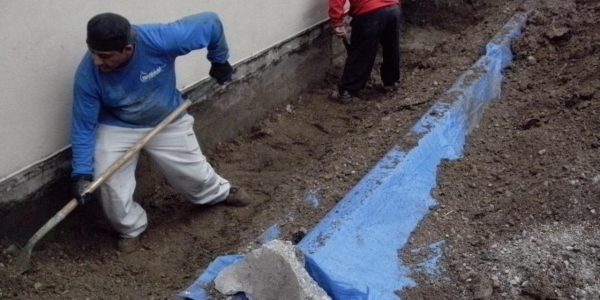
Basement leakages have been a common problem with most of the building structures. And the best solution for this problem is by fixing the underlying issue.